

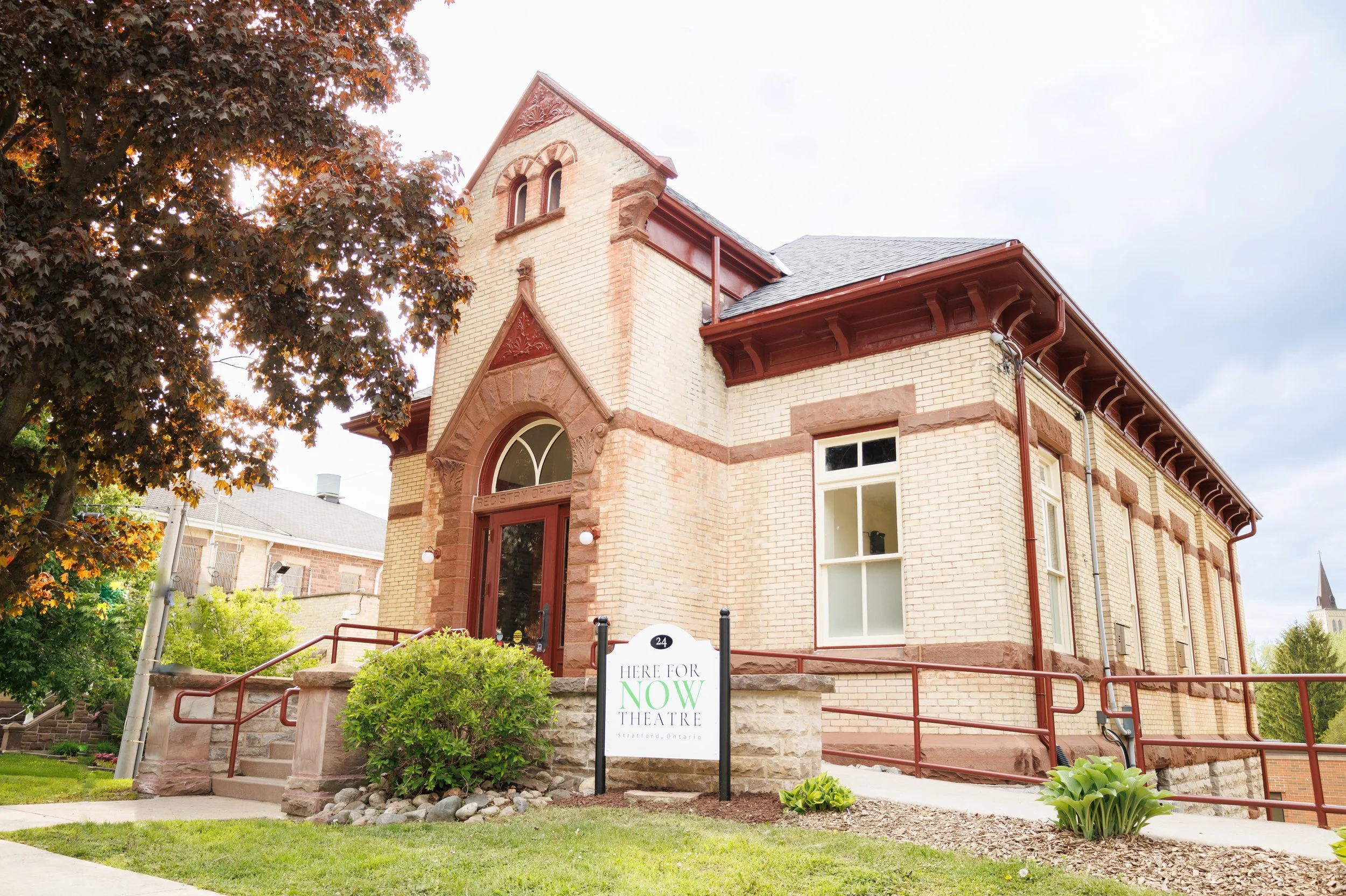
HISTORY
From Registry Office to Theatre
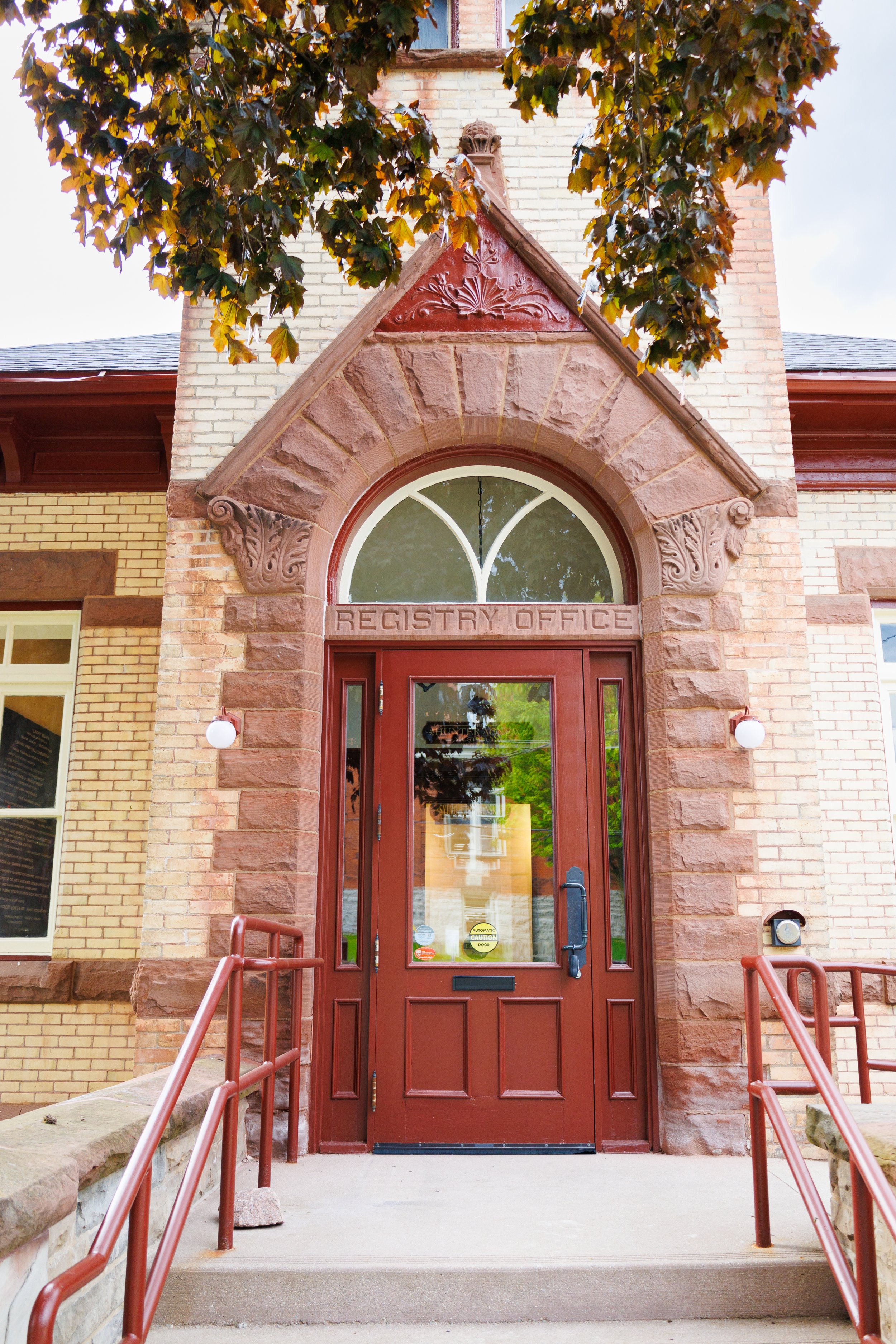
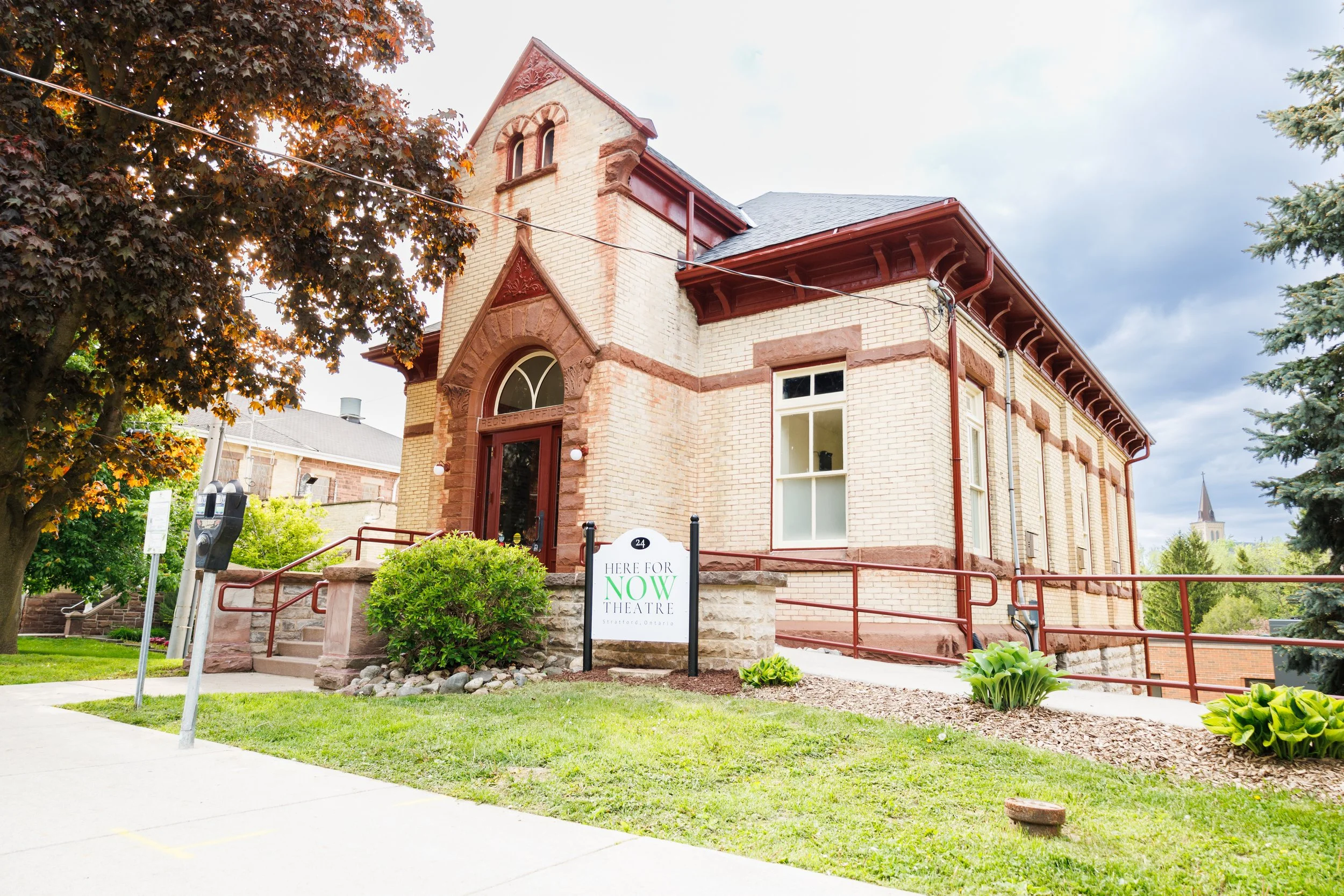
Built in 1910, 24 St. Andrew Street was originally home to the Perth County Registry Office, a purpose-built building designed to protect and preserve the county’s public records. The building was later home to the Stratford-Perth Archives before eventually being declared surplus and slated for demolition.
That could have been the end of its story.
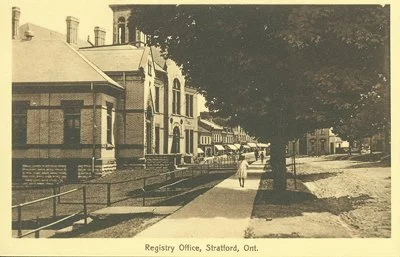
We had been dreaming of a permanent indoor home for Here For Now Theatre for years, and when we heard the Registry Office was going to be torn down, our Artistic Director Fiona Mongillo took a look inside. She knew almost immediately that this could be the place.
So we proposed a long-term lease and a very big idea: to save the building and transform it into an intimate black box theatre in the heart of downtown Stratford.
And then something pretty wonderful happened. Everyone said yes.
The County was thrilled that the building could be saved. Federal and Provincial governments came on board with support. And our community stepped up too, with generous donors and supporters helping us turn this unlikely theatre dream into a reality.
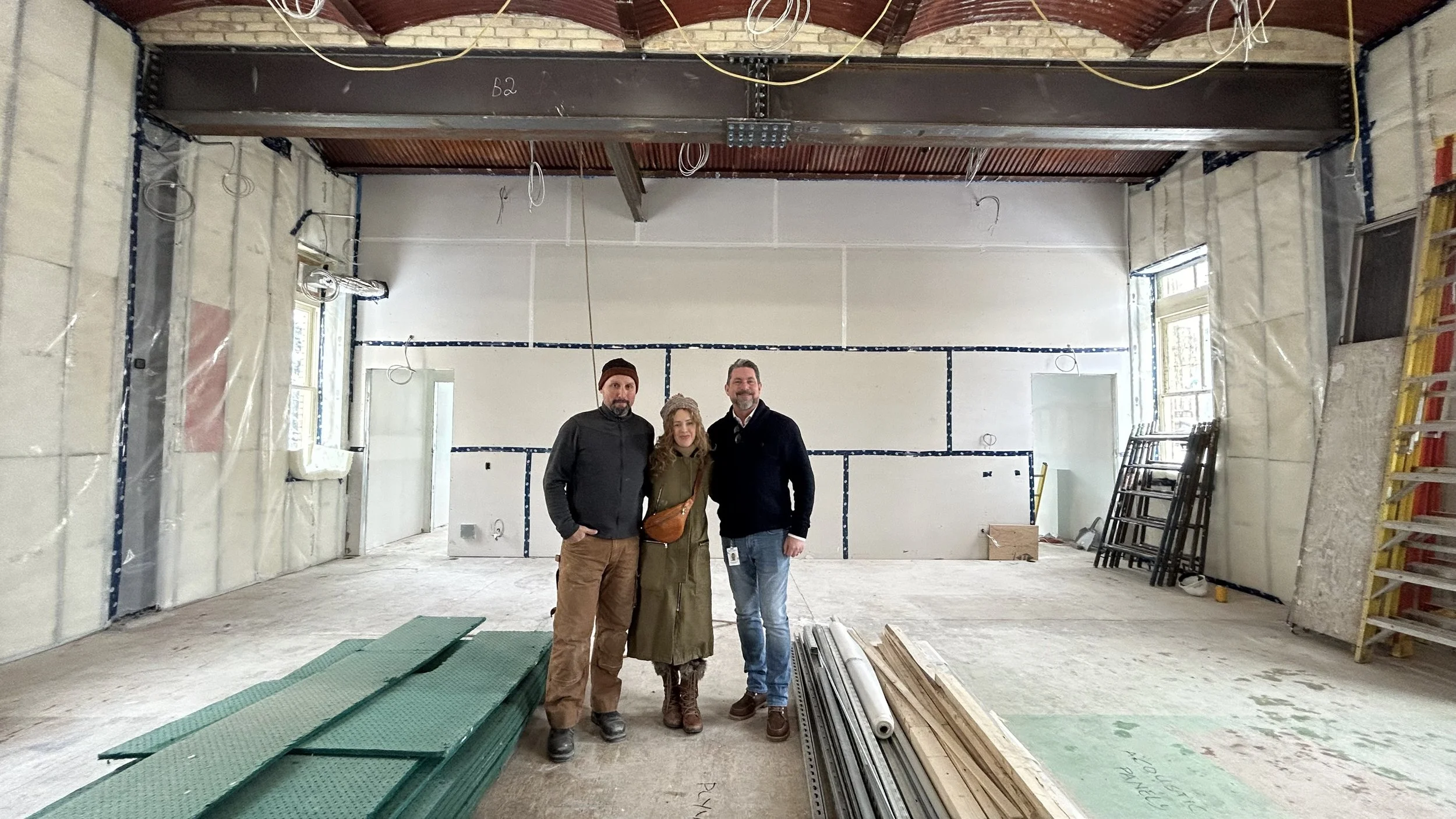
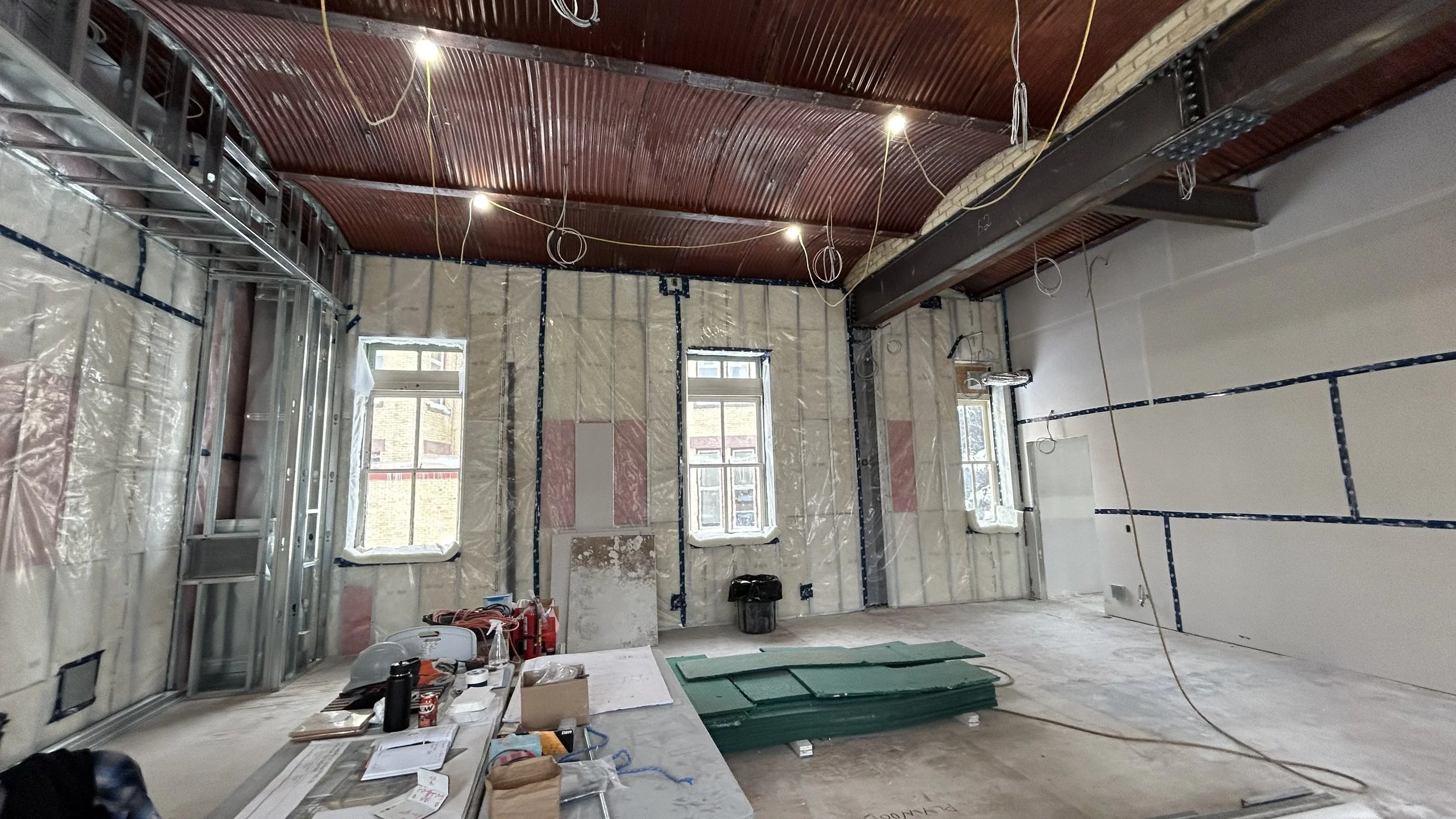
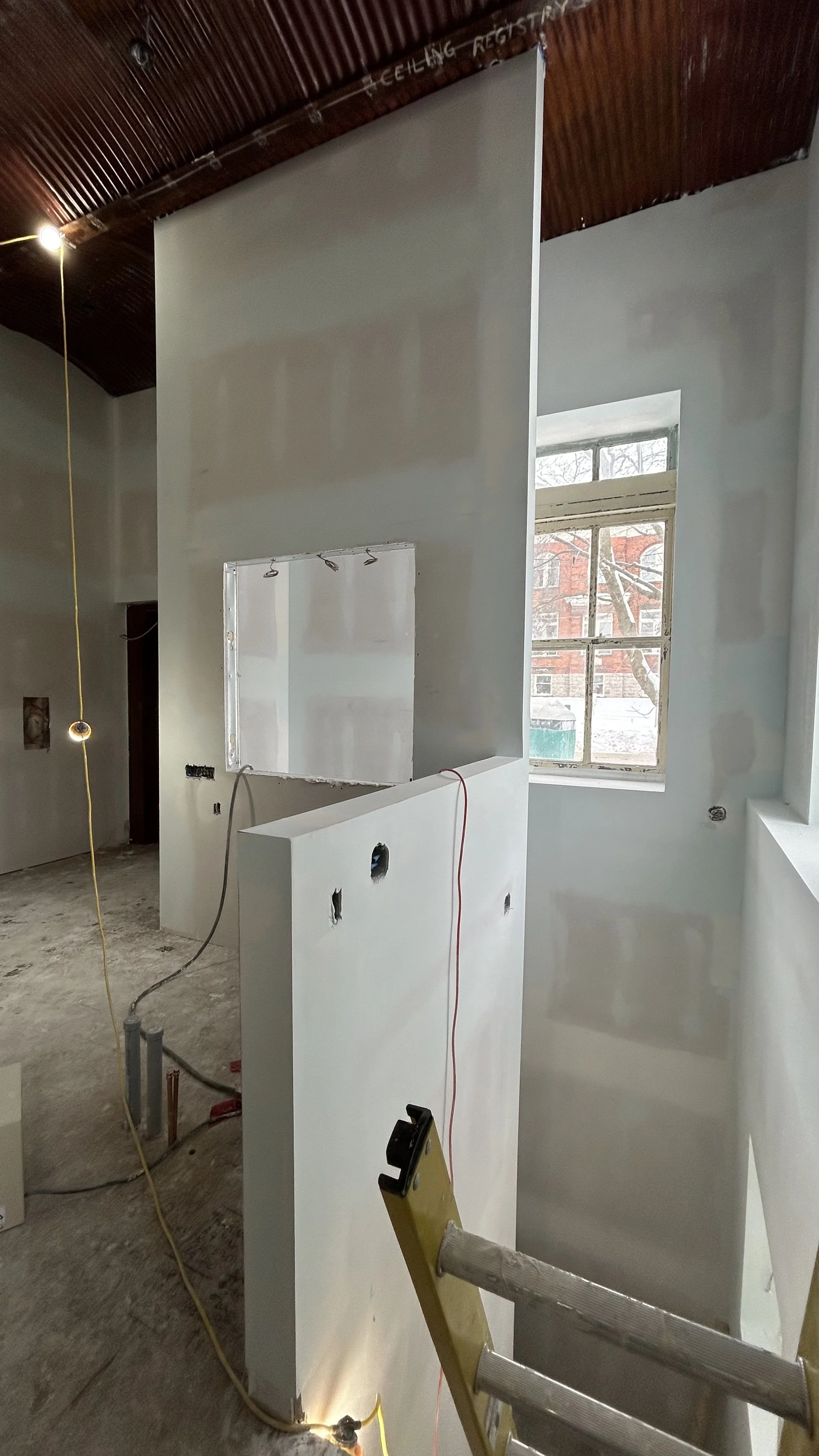
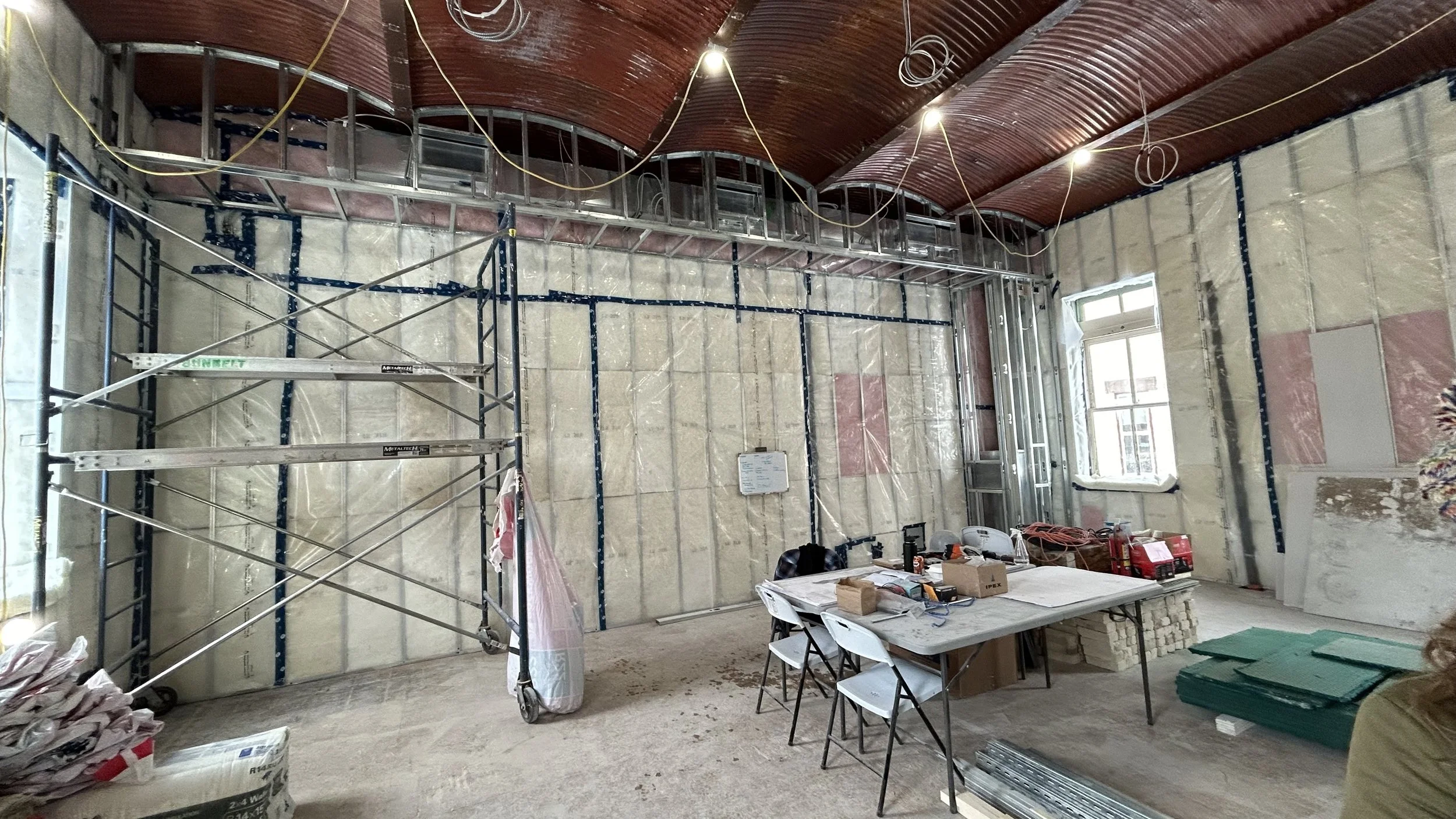
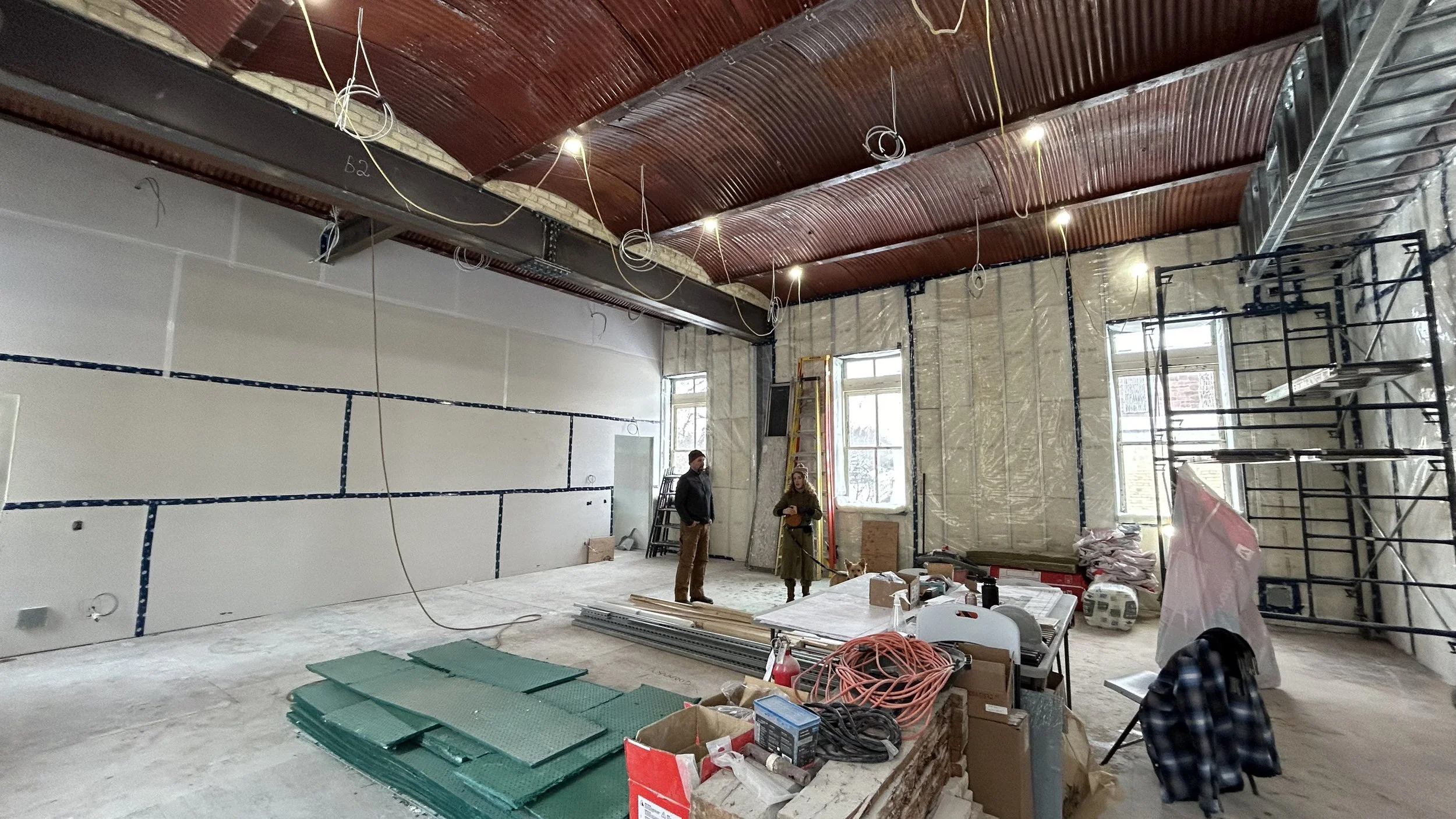
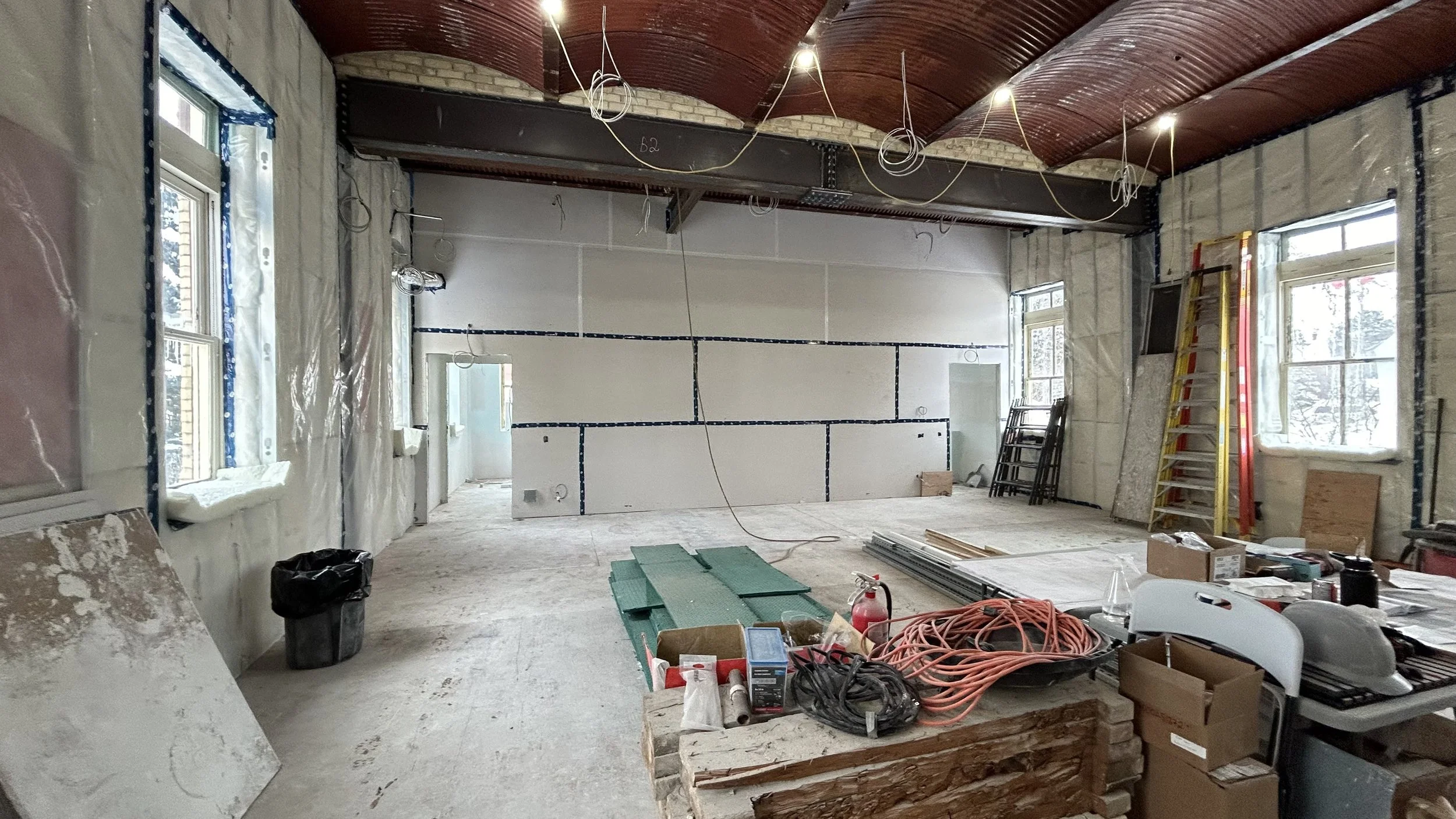
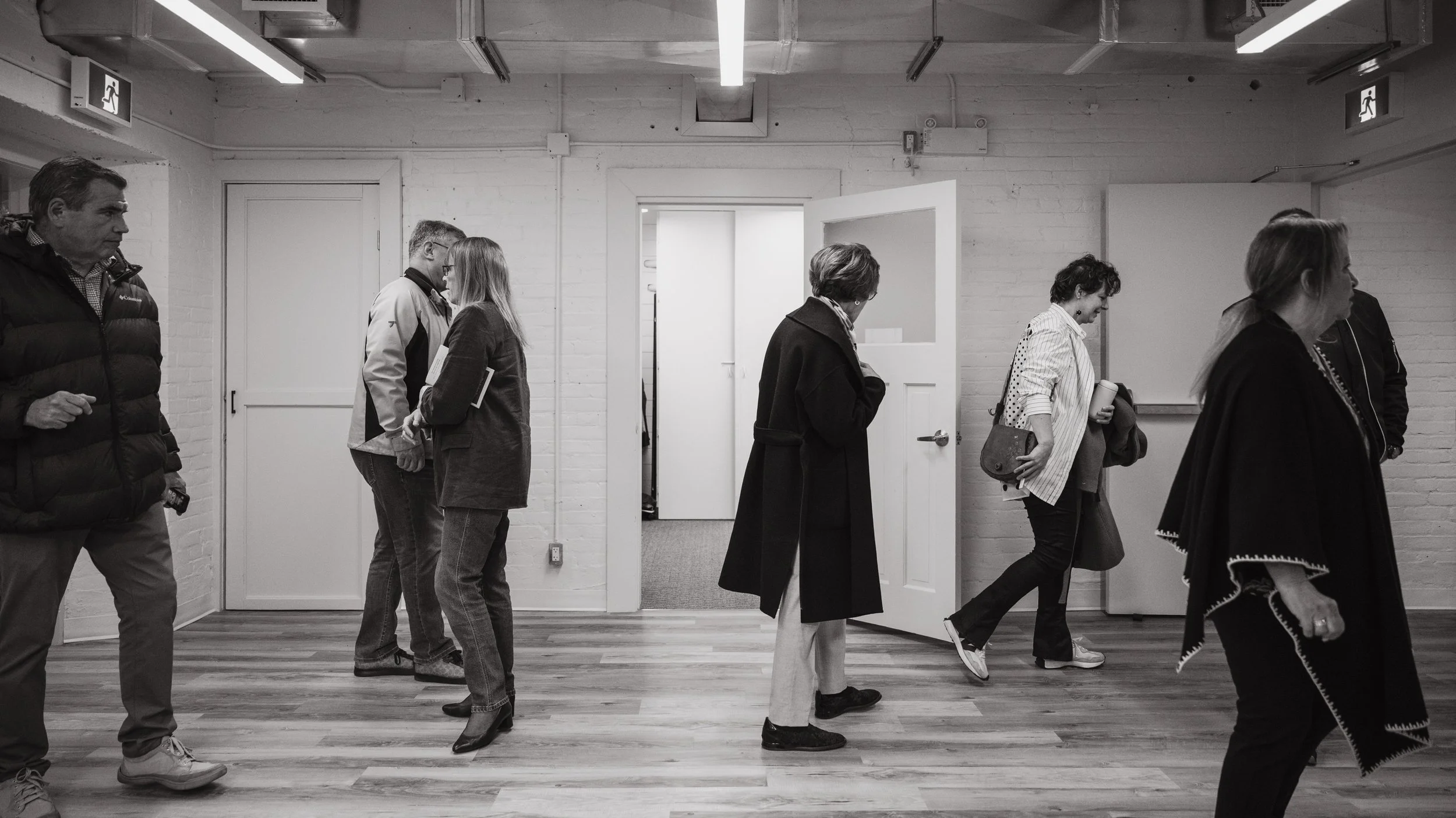
We broke ground in, with the goal of opening our 2025 season in our brand-new home. Under the incredible leadership of Project Manager Andy Bicanic, the renovation was completed in just seven months, with construction finished in April 2025.
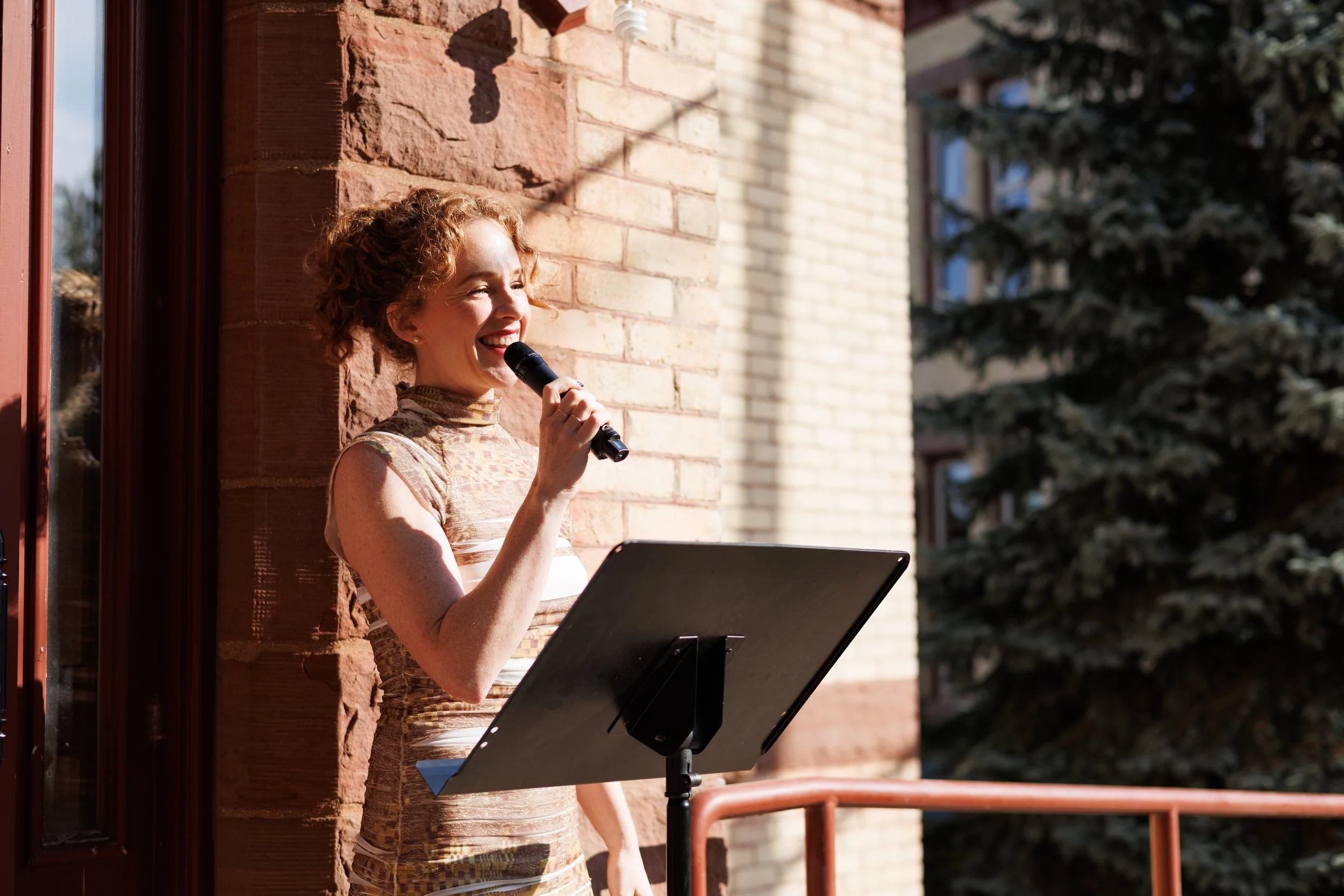
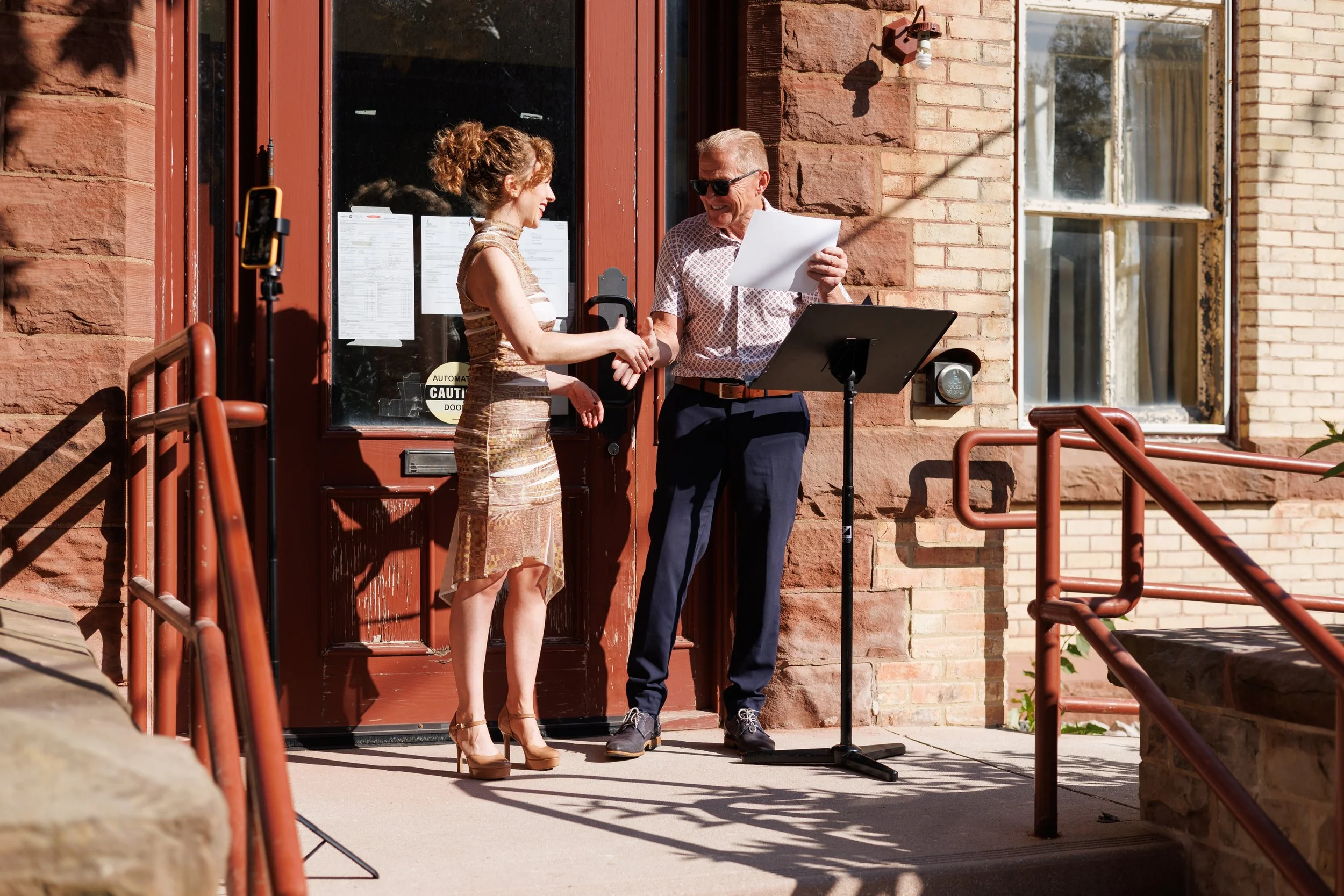
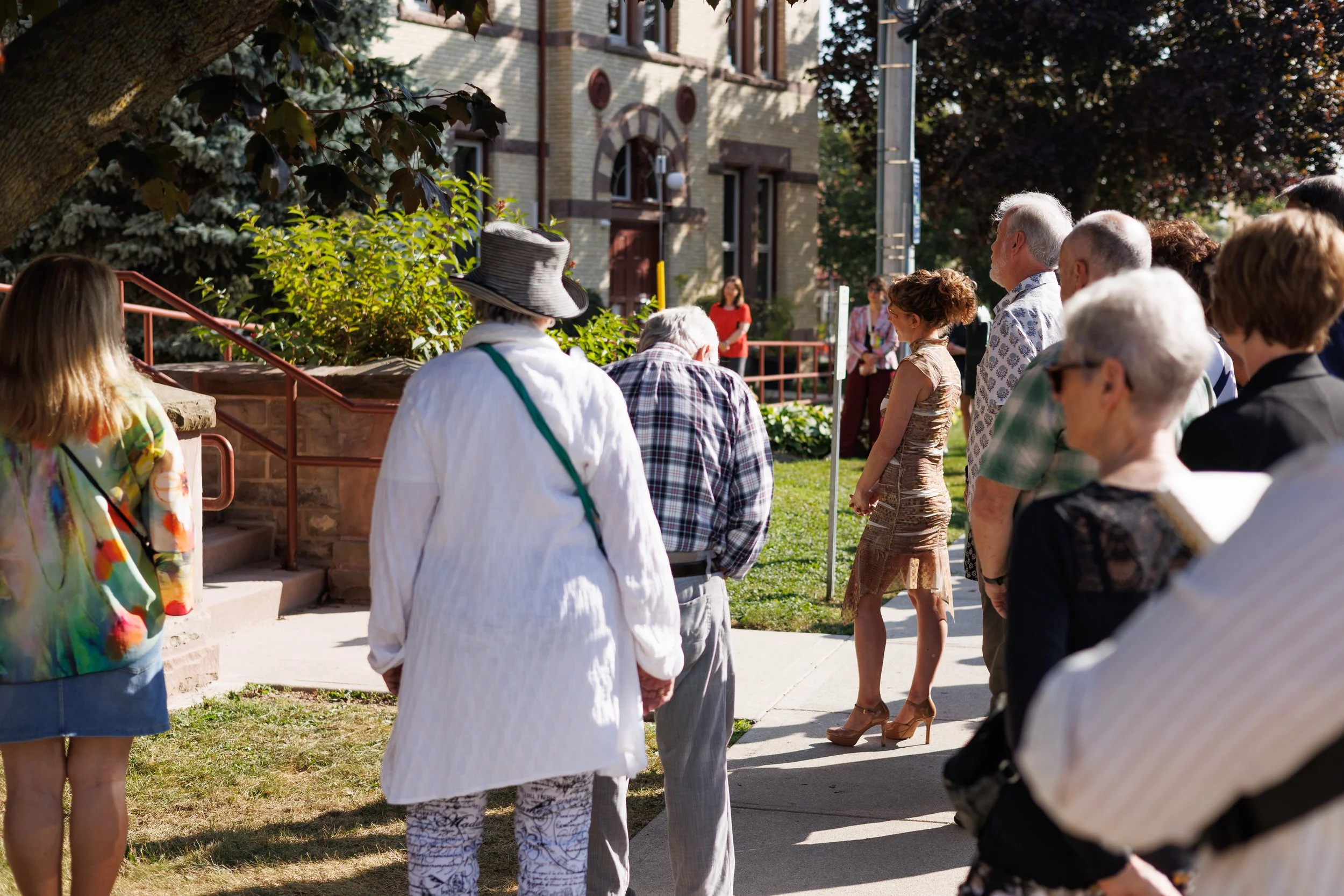
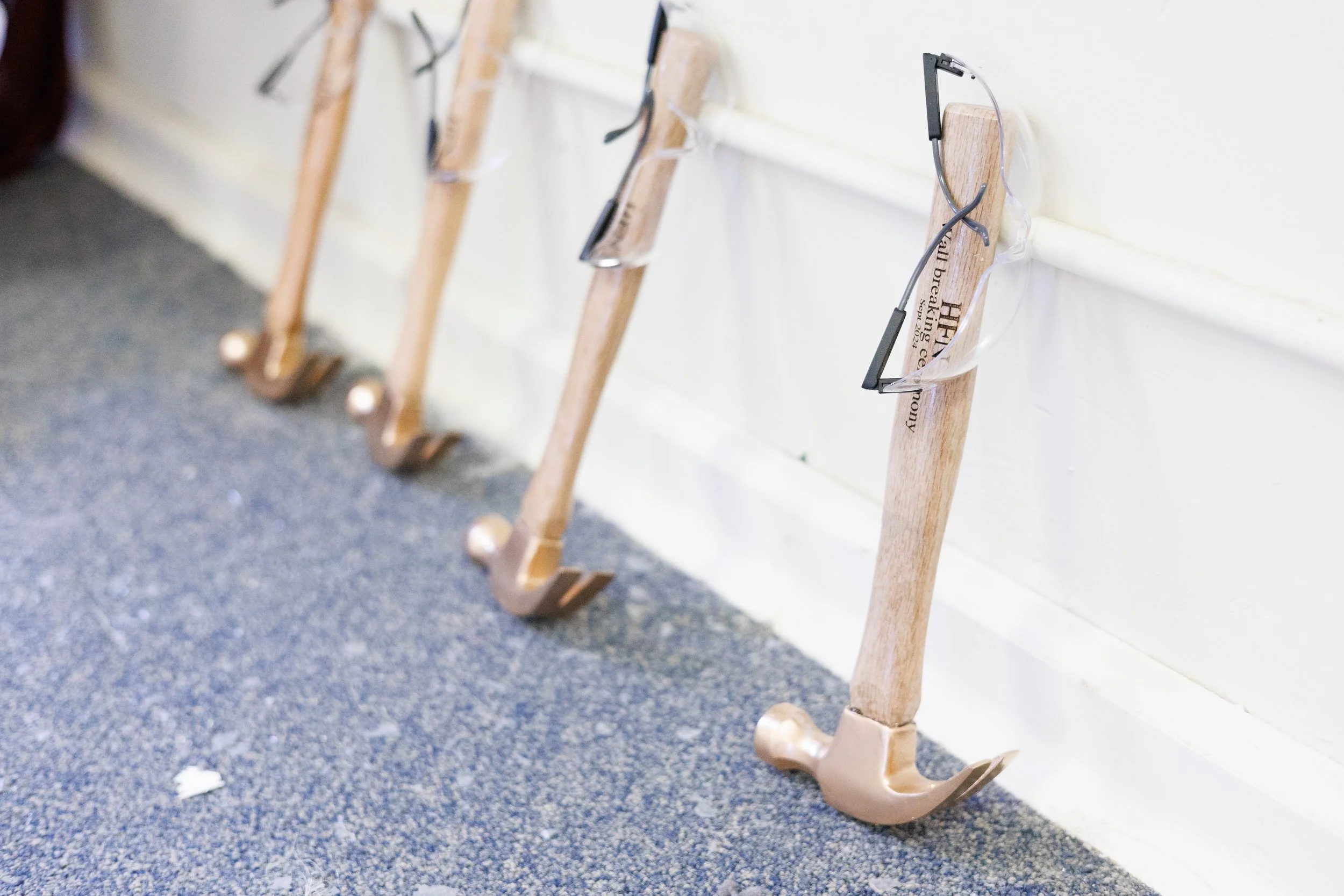
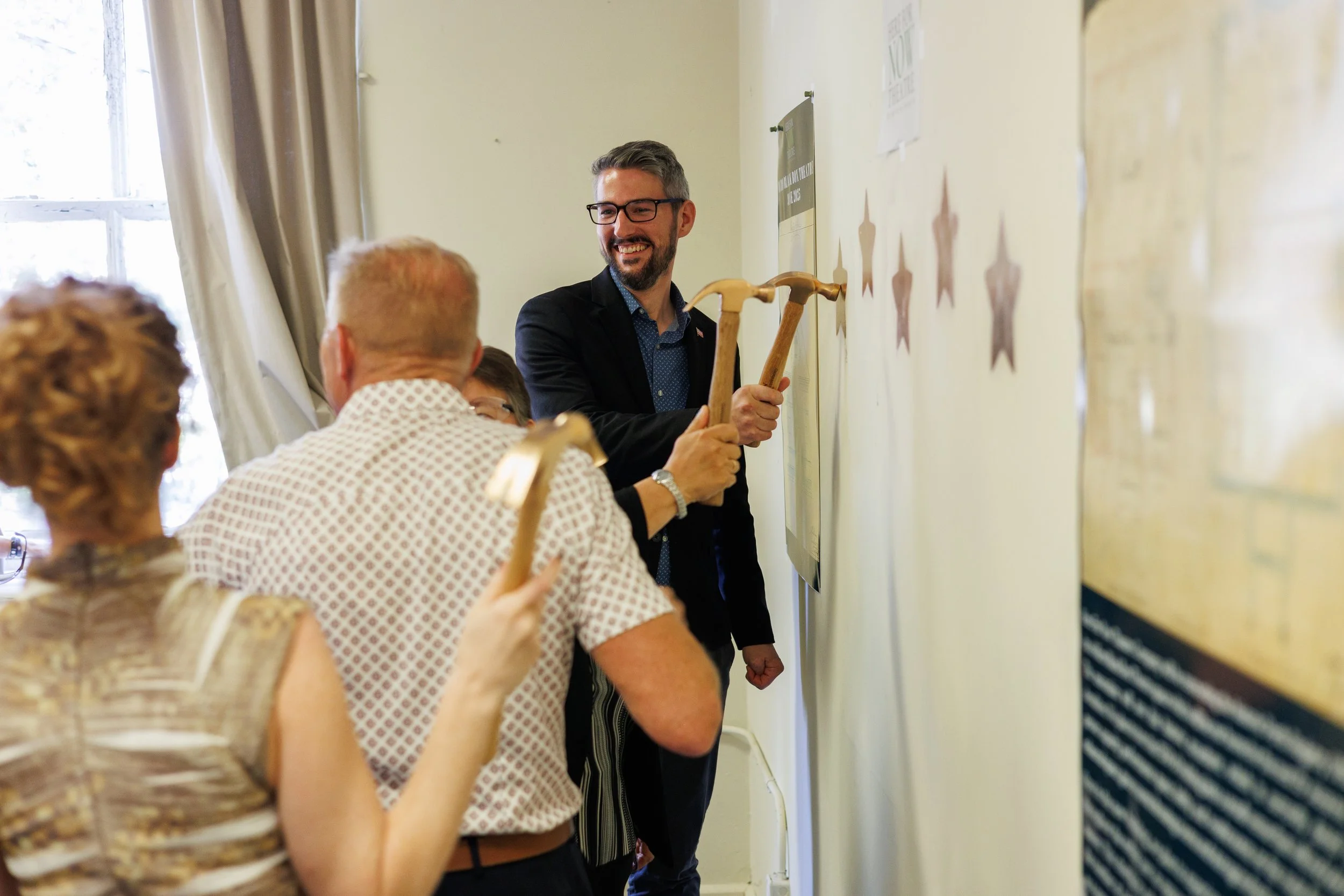
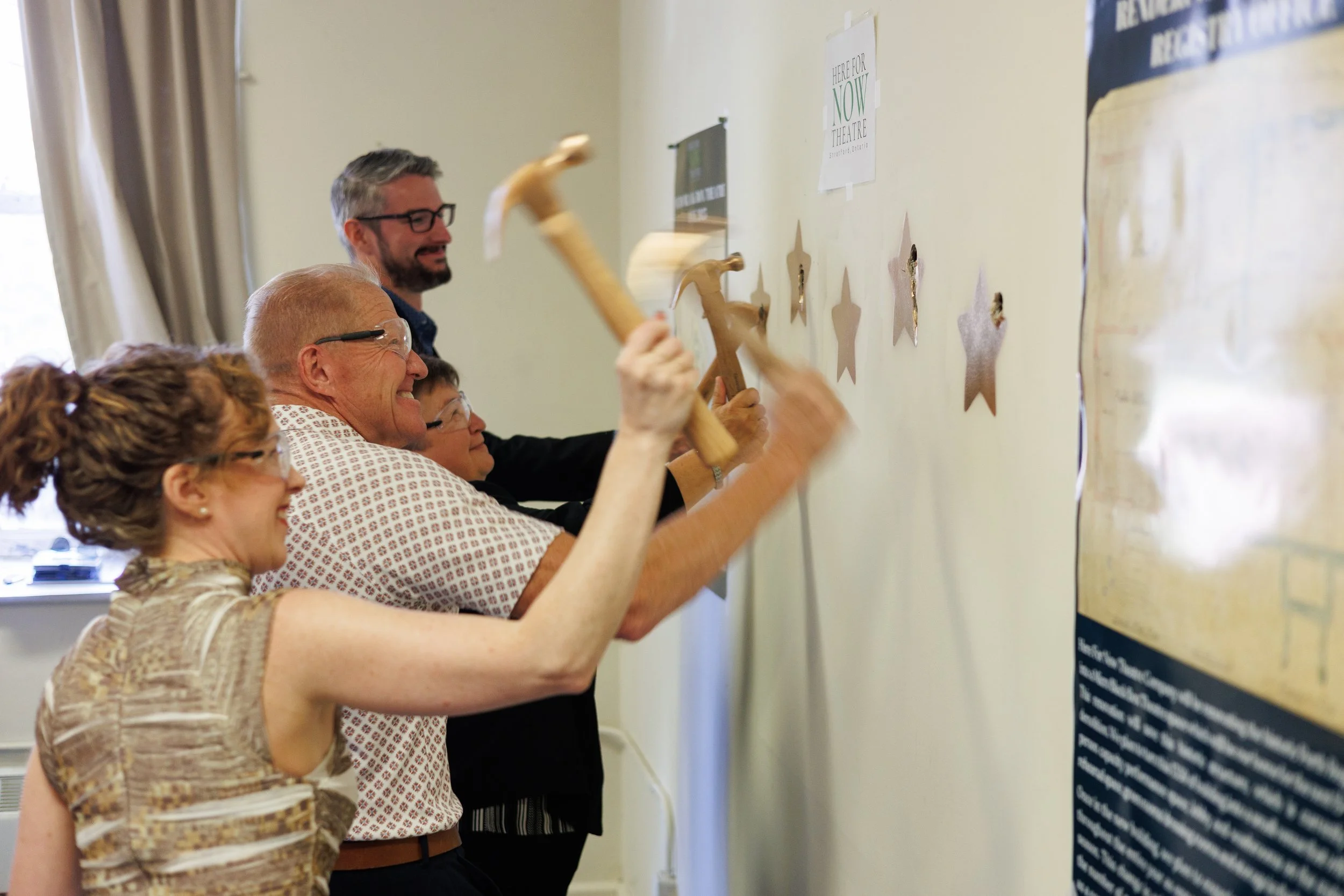
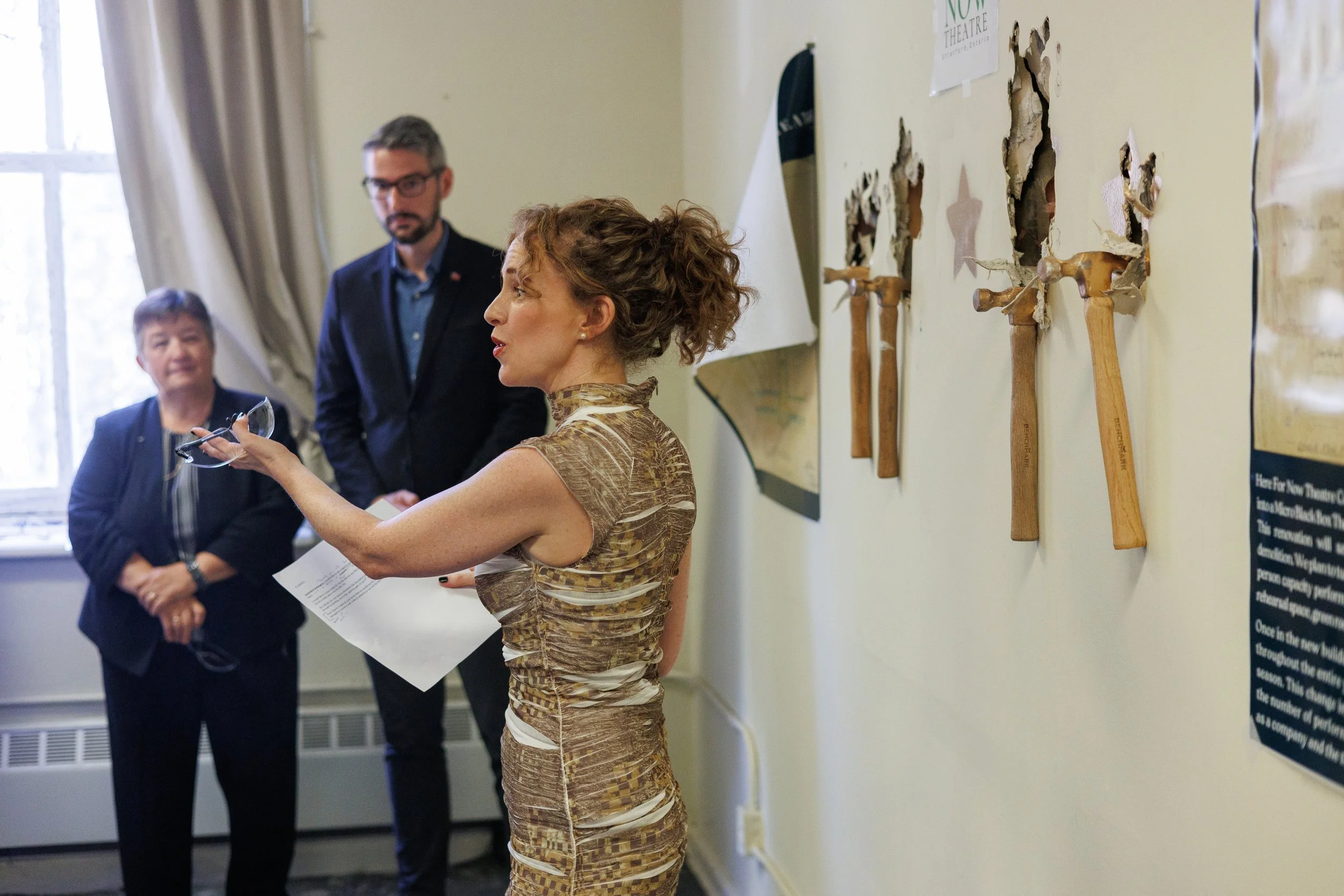
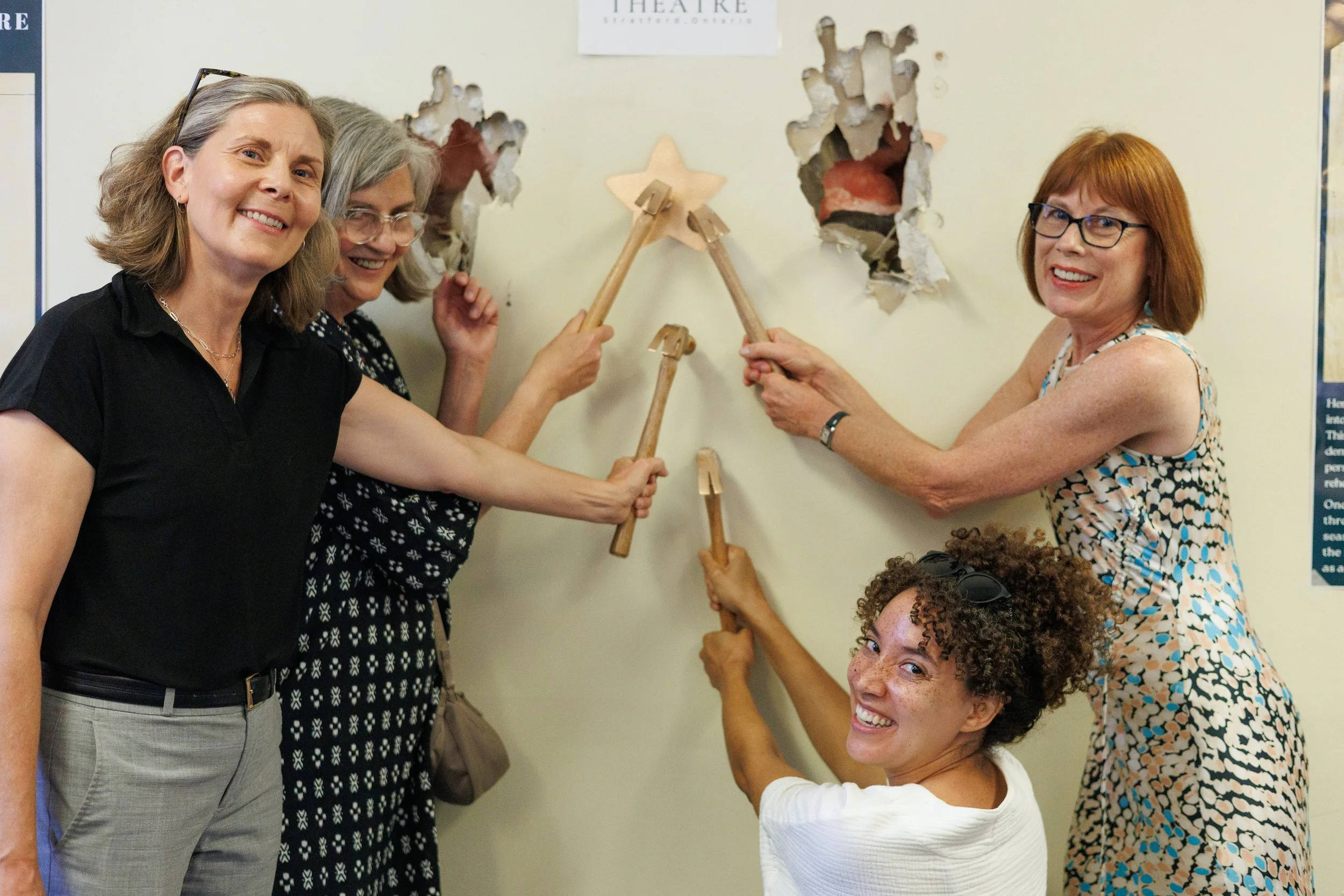
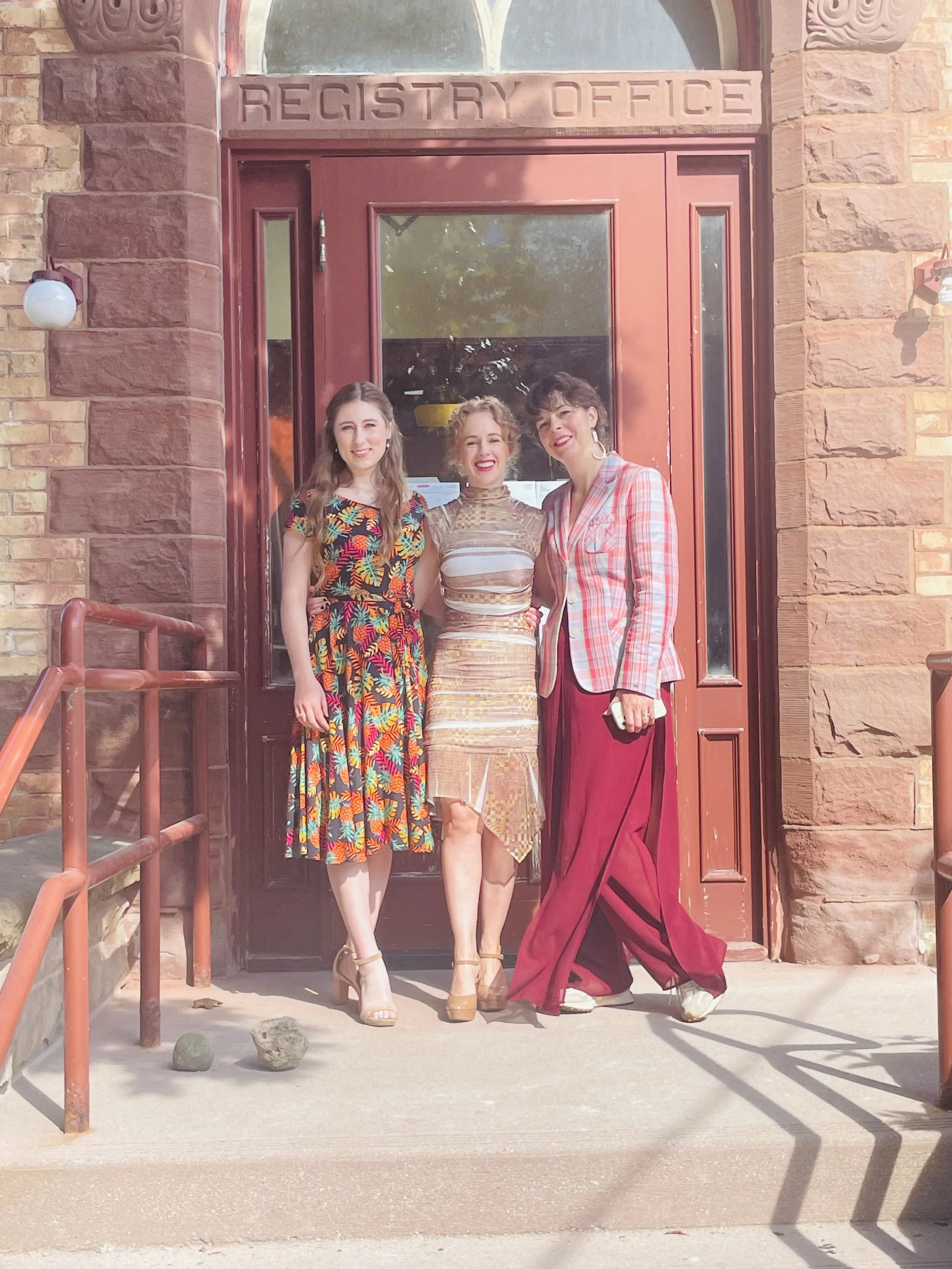
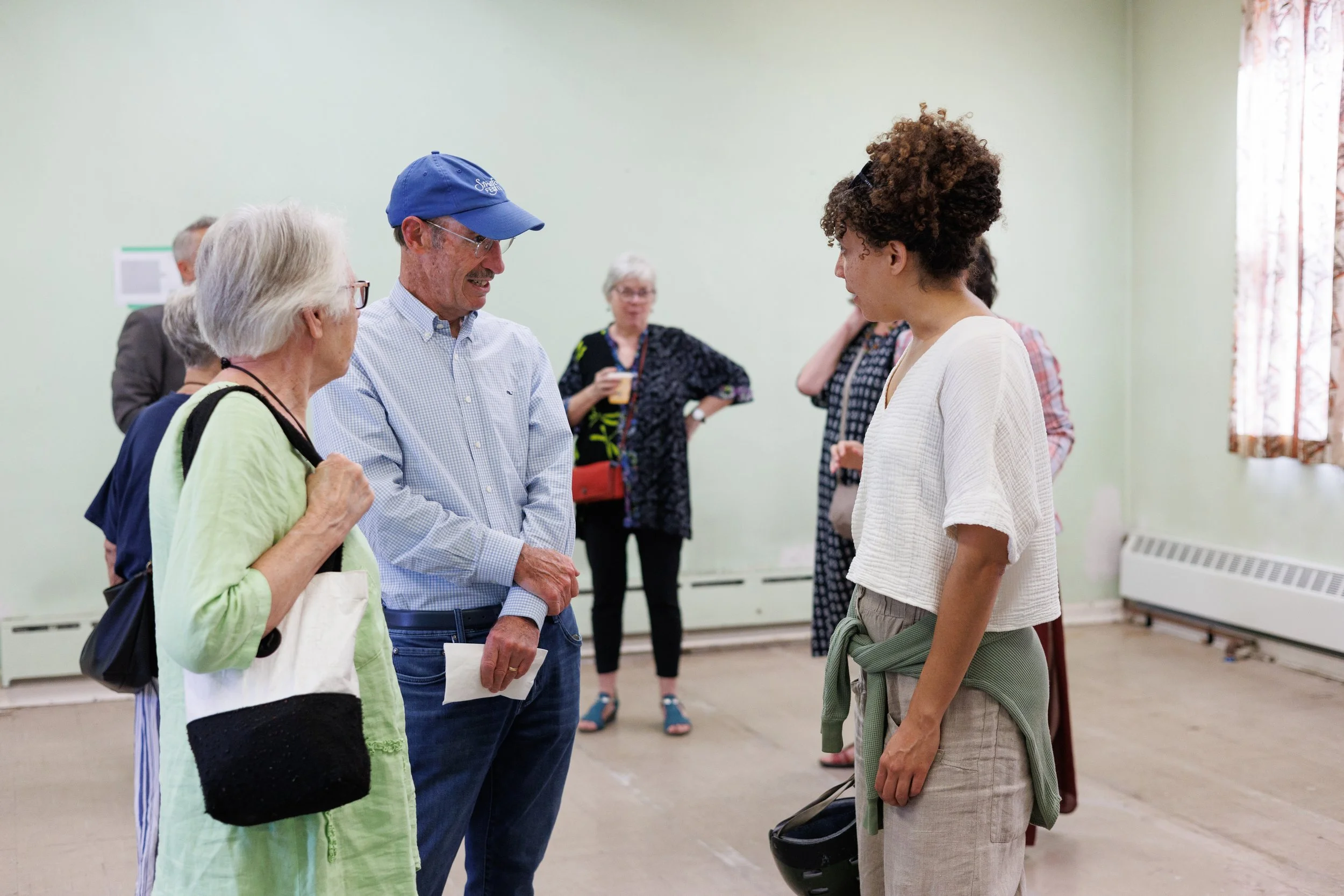
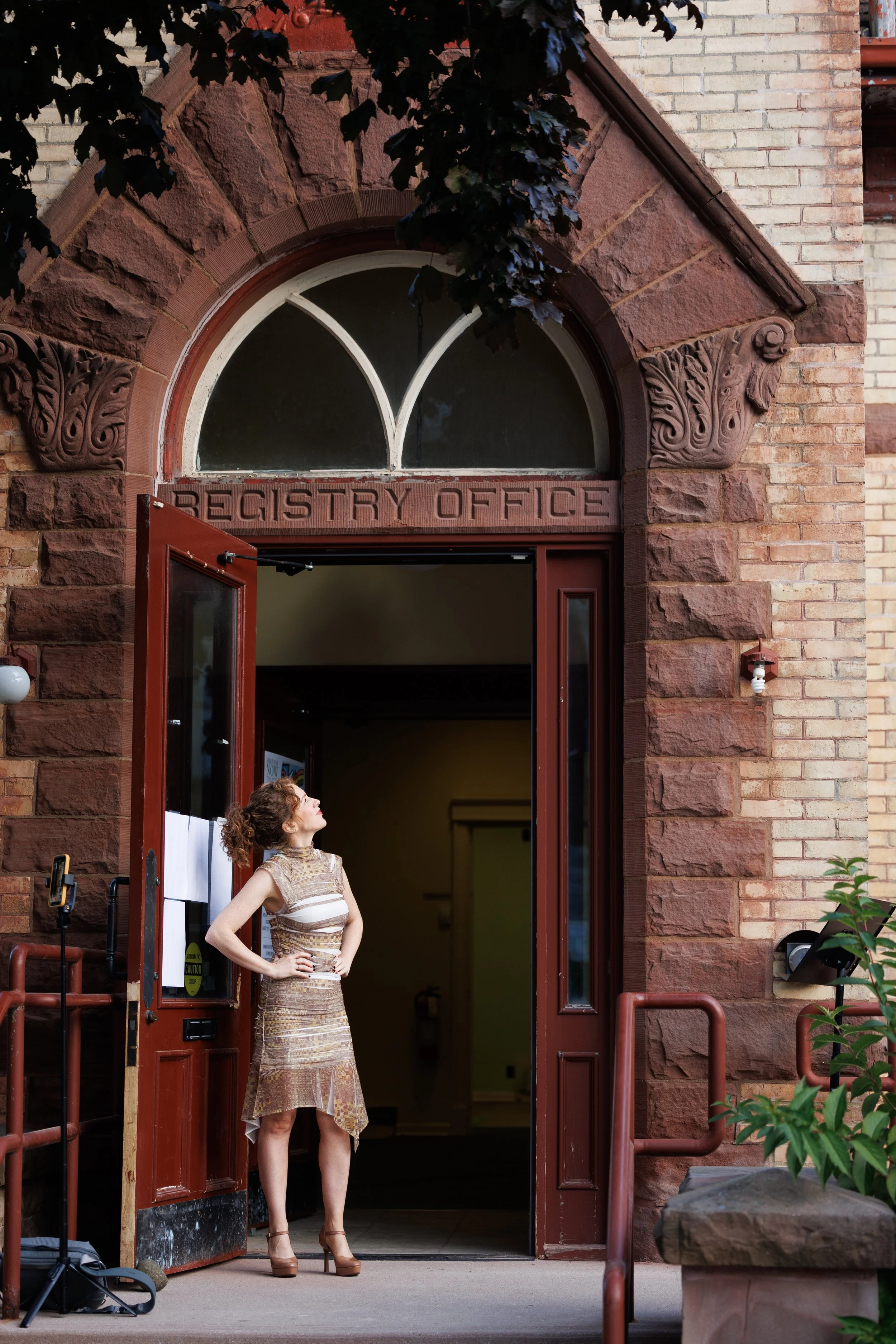
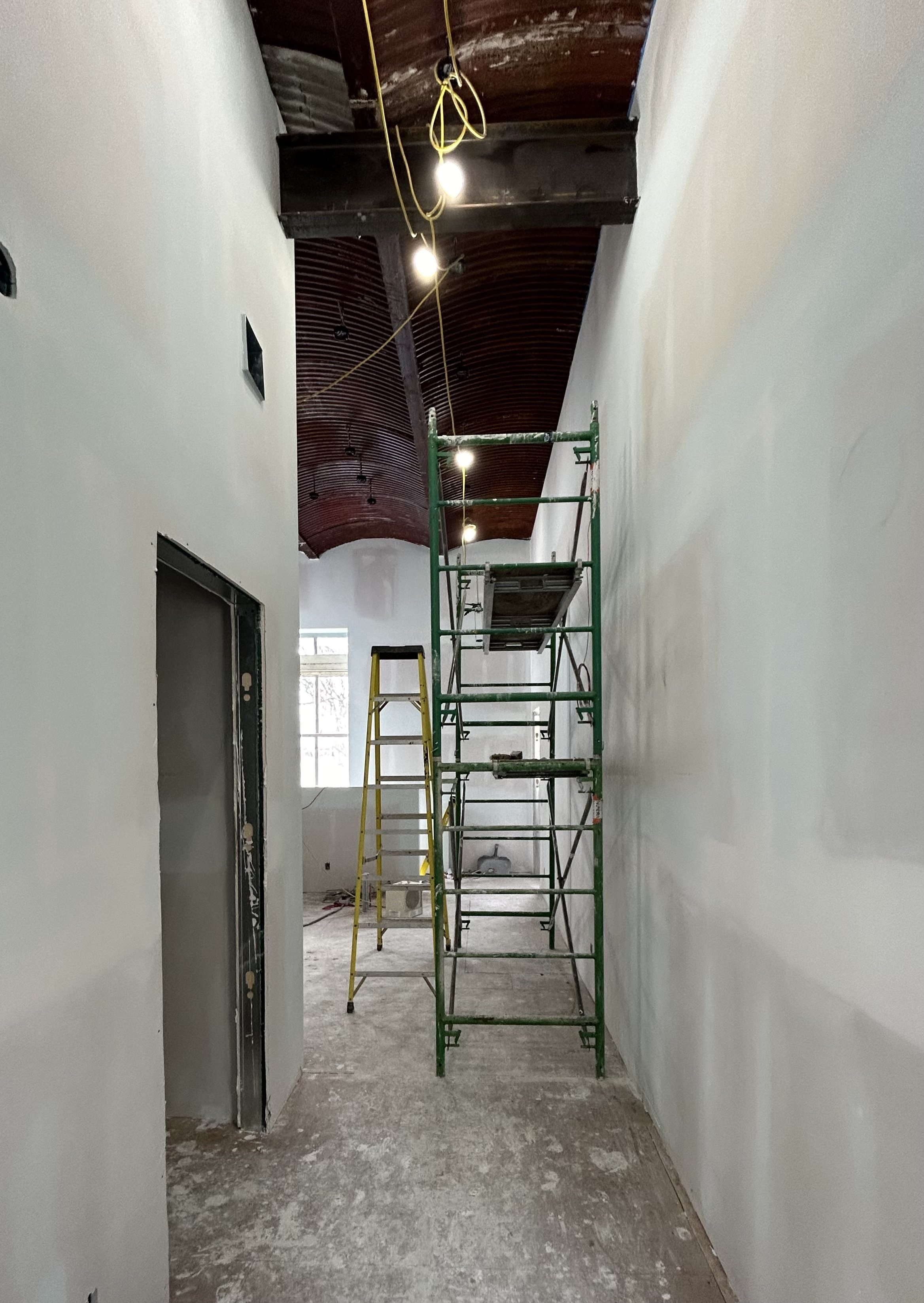
The renovation was a $1.3 million transformation, but we never wanted to erase the history of the building in the process. We worked to preserve as many of its original features as possible.
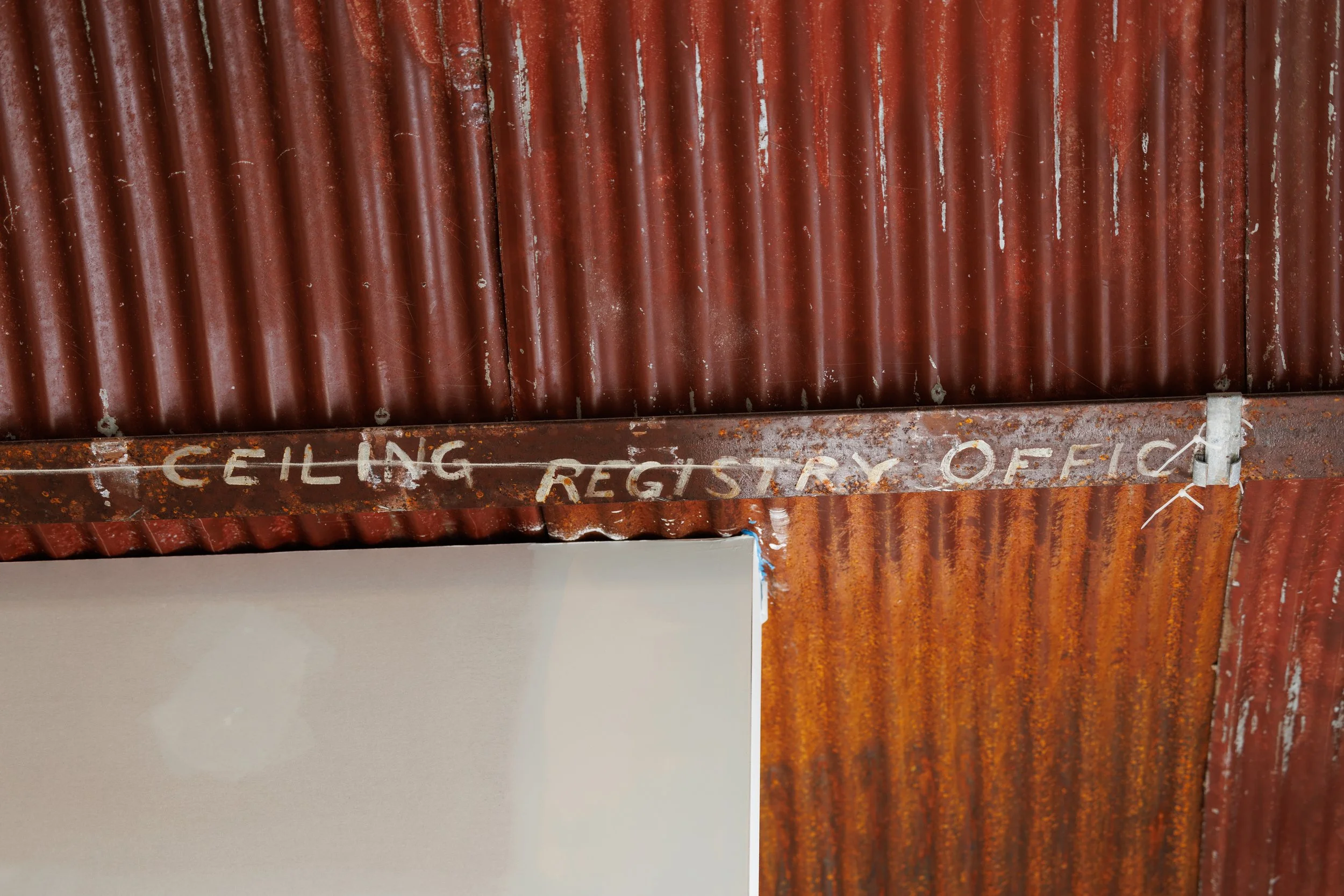
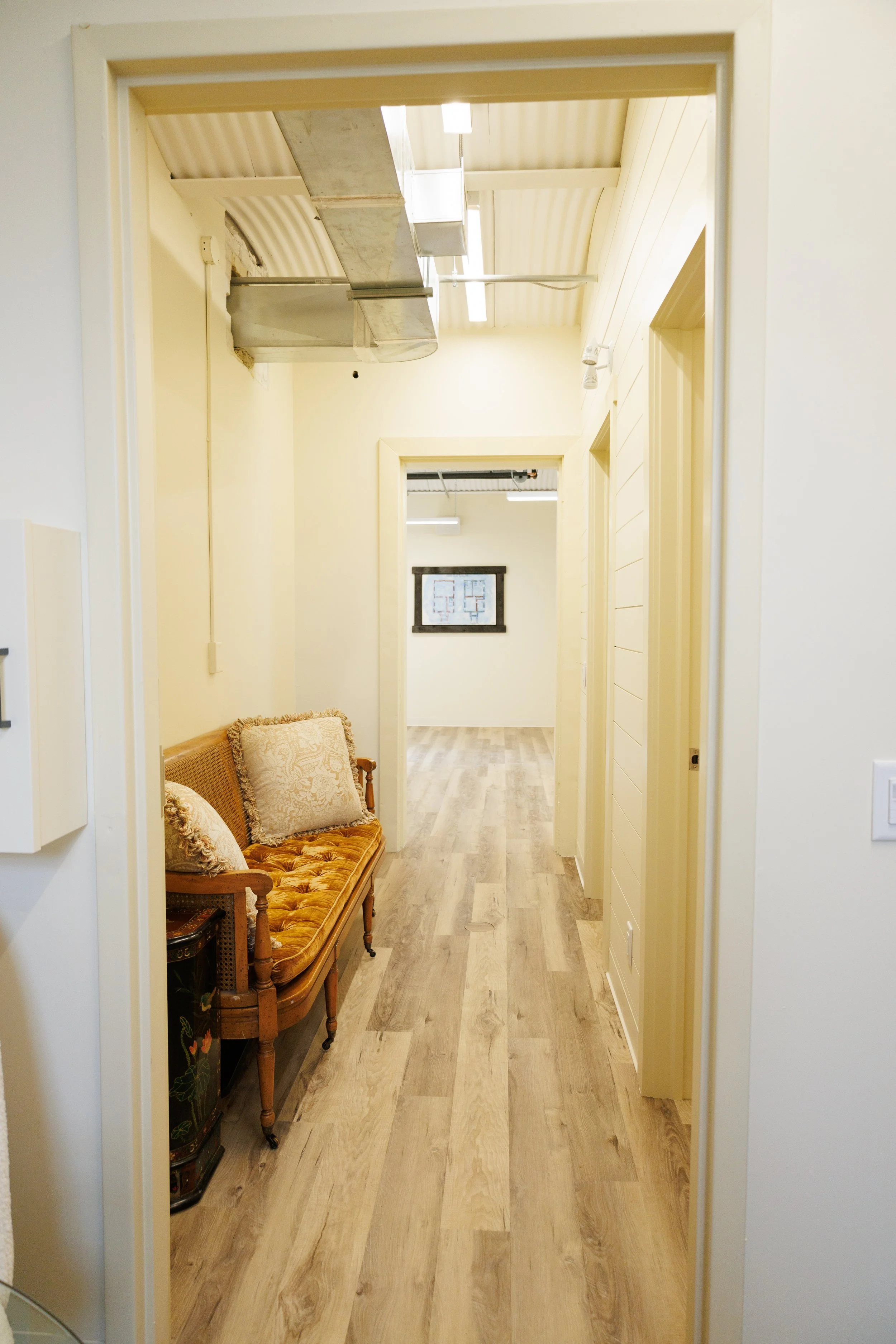
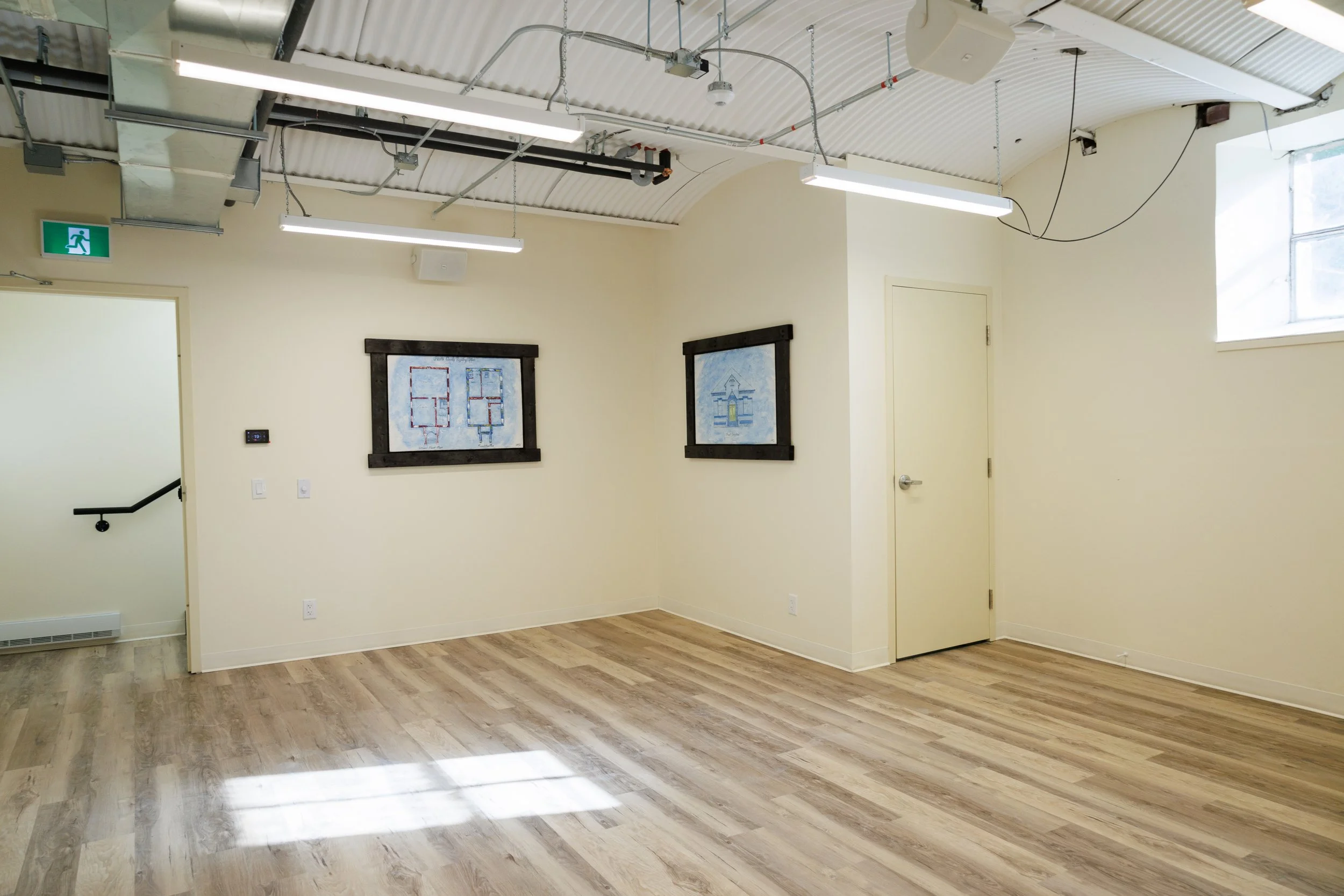
The ceilings in both the lobby and basement are part of the original 1910 structure, and you can still see the marks left behind by the people who built them. The paint colours throughout the theatre were inspired by the colours used when the building was first constructed.
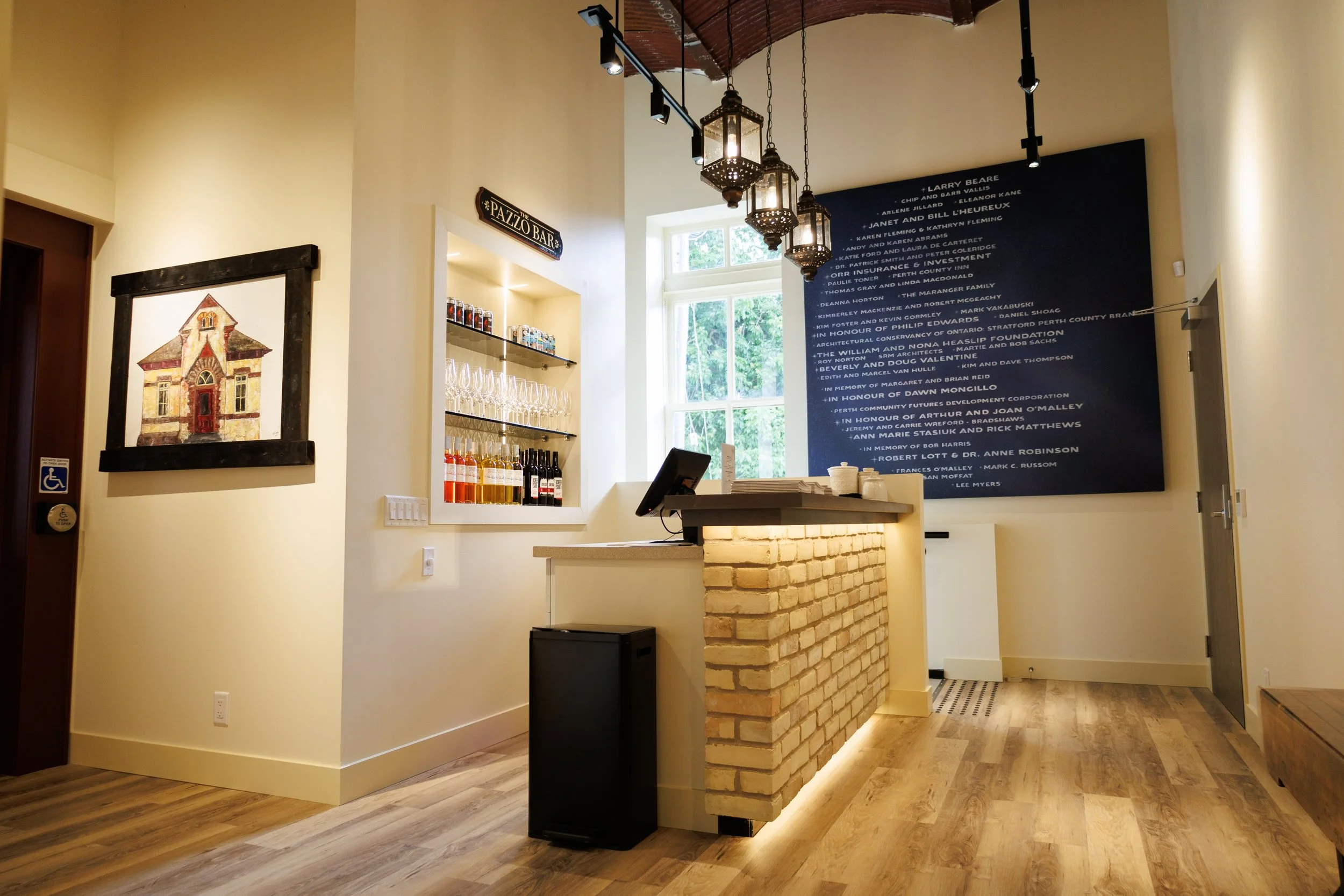
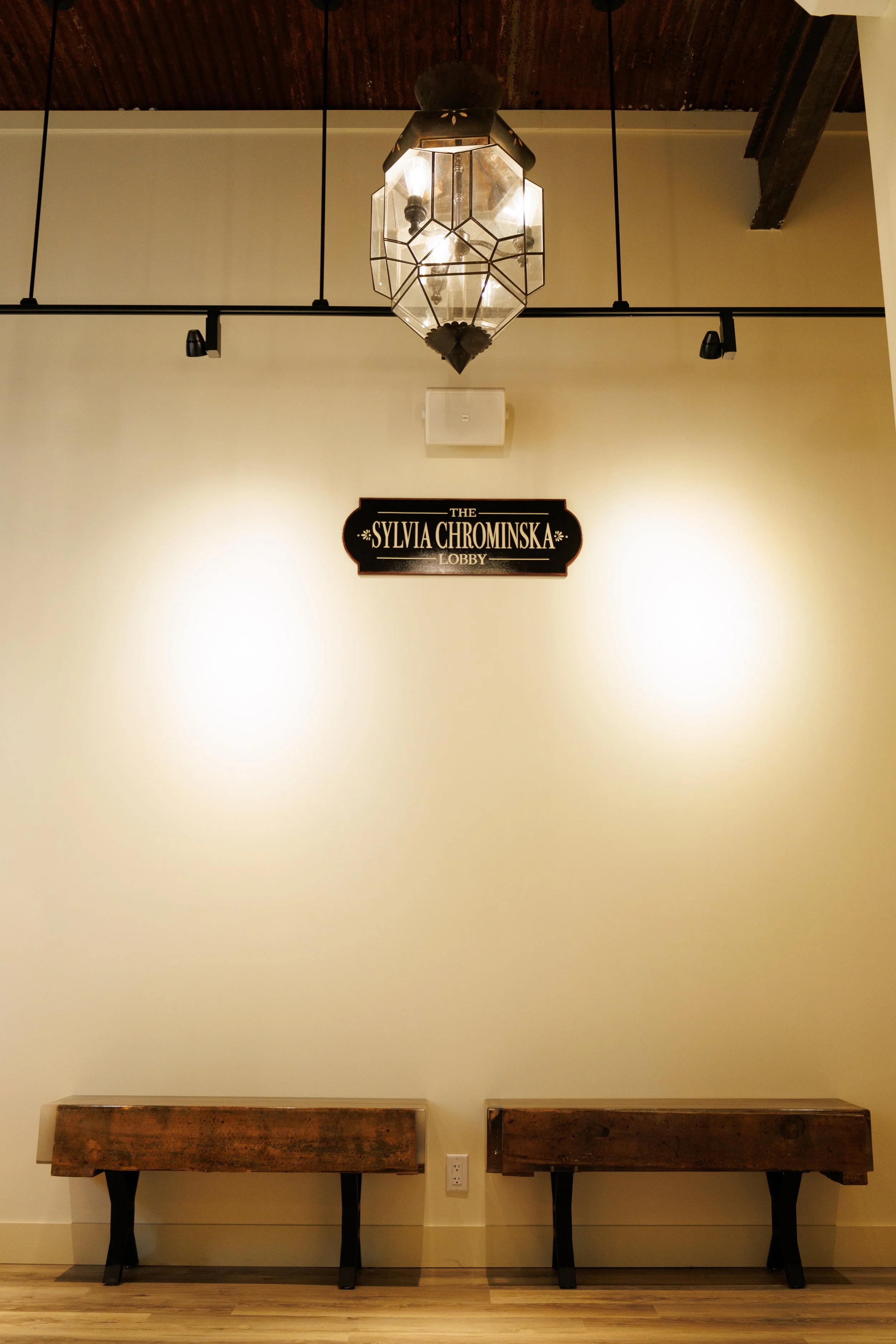
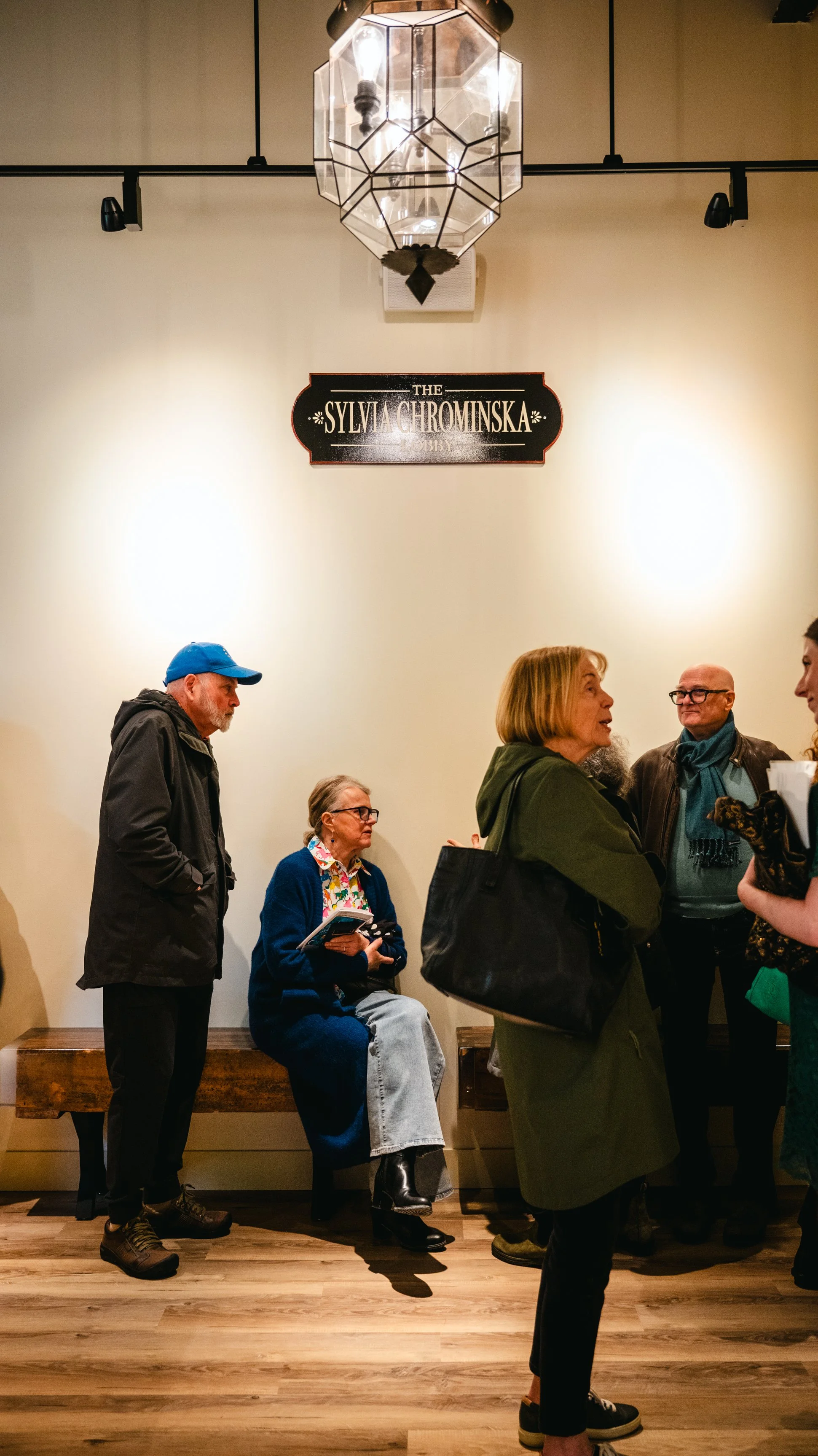
We even found a way to give new life to the parts of the building we couldn't keep. One wall had to be removed to create enough space for the performance area, but rather than throw away its history, we reused it. The bricks became our bar, and the original lintels were repurposed as the benches in our lobby.
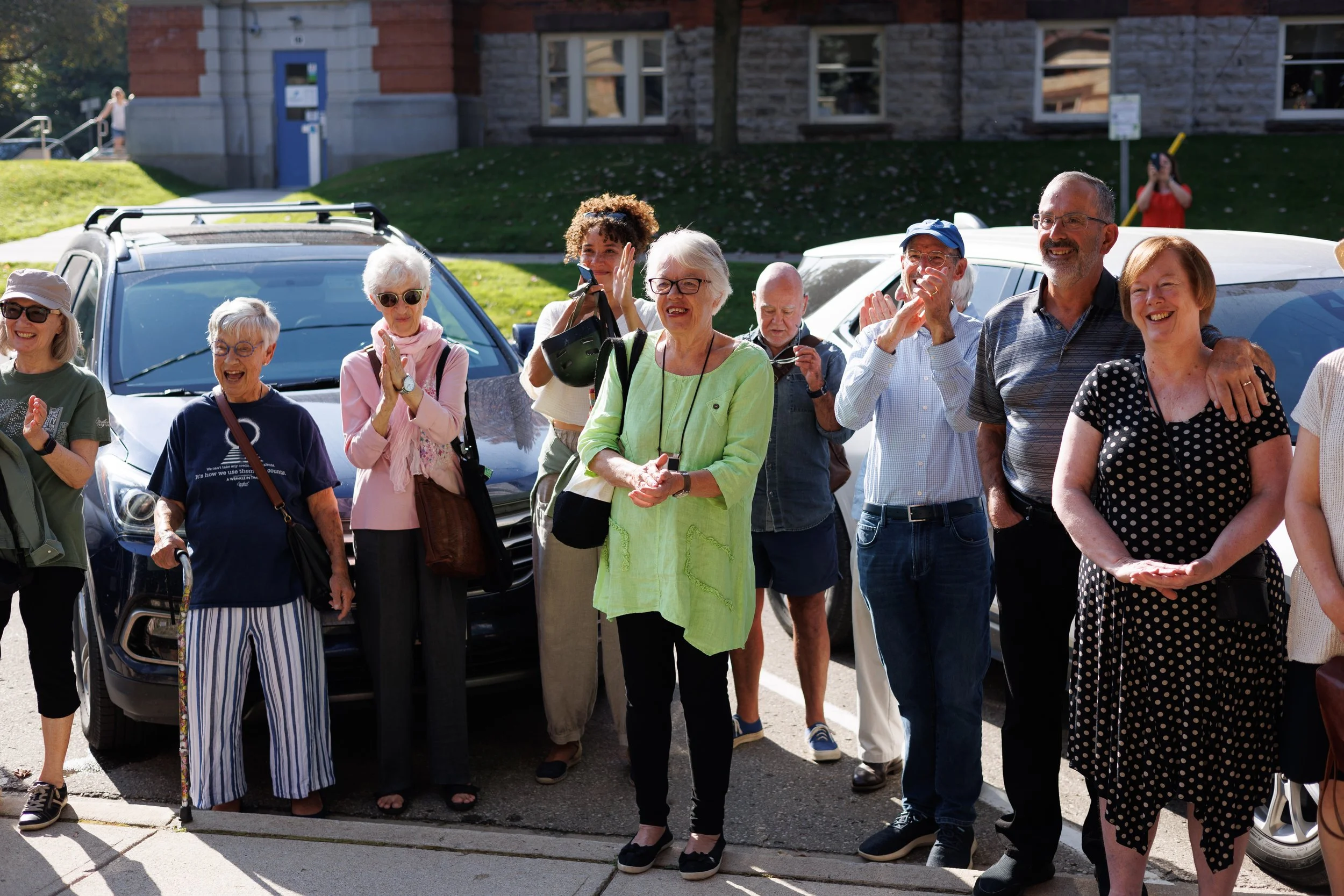
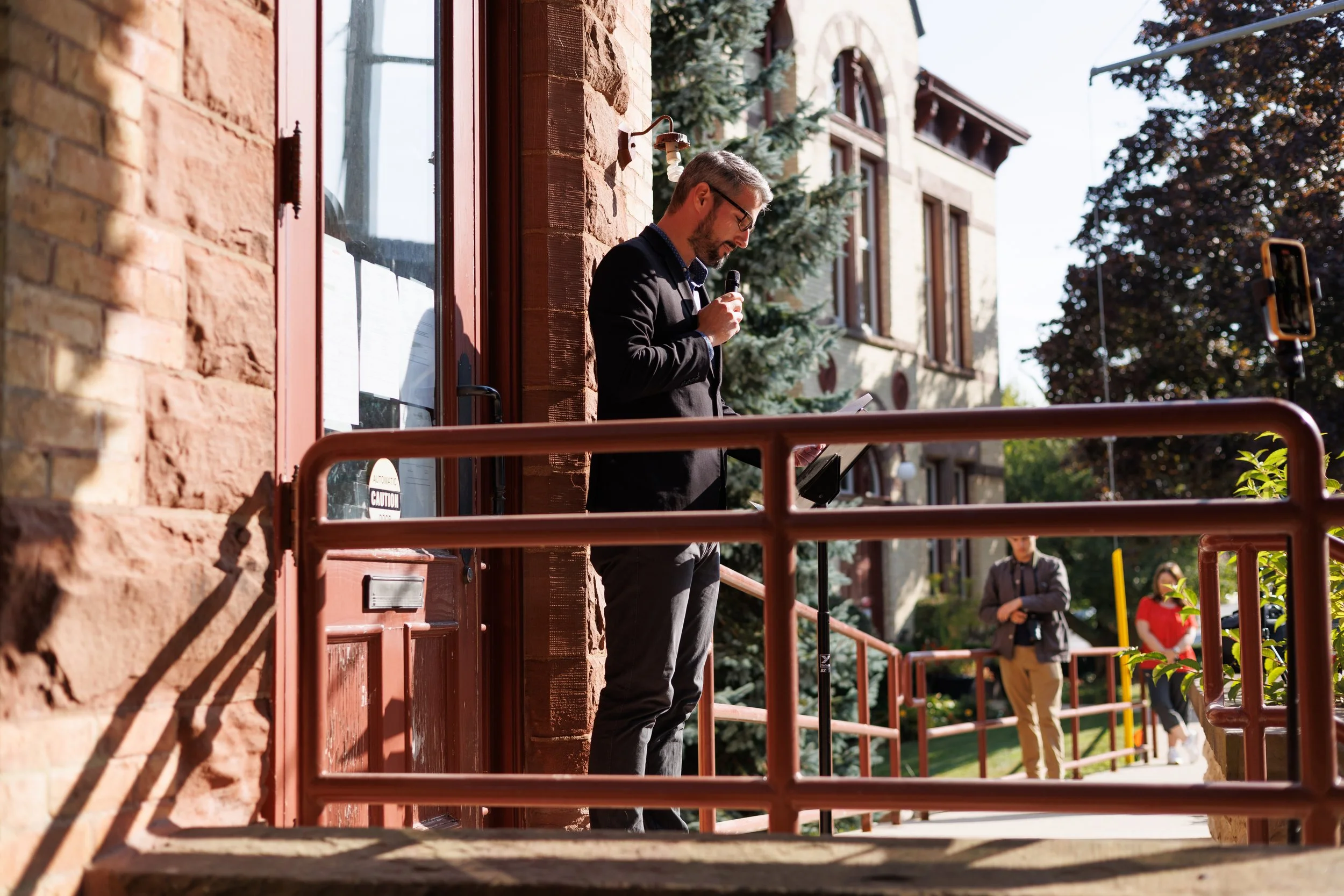
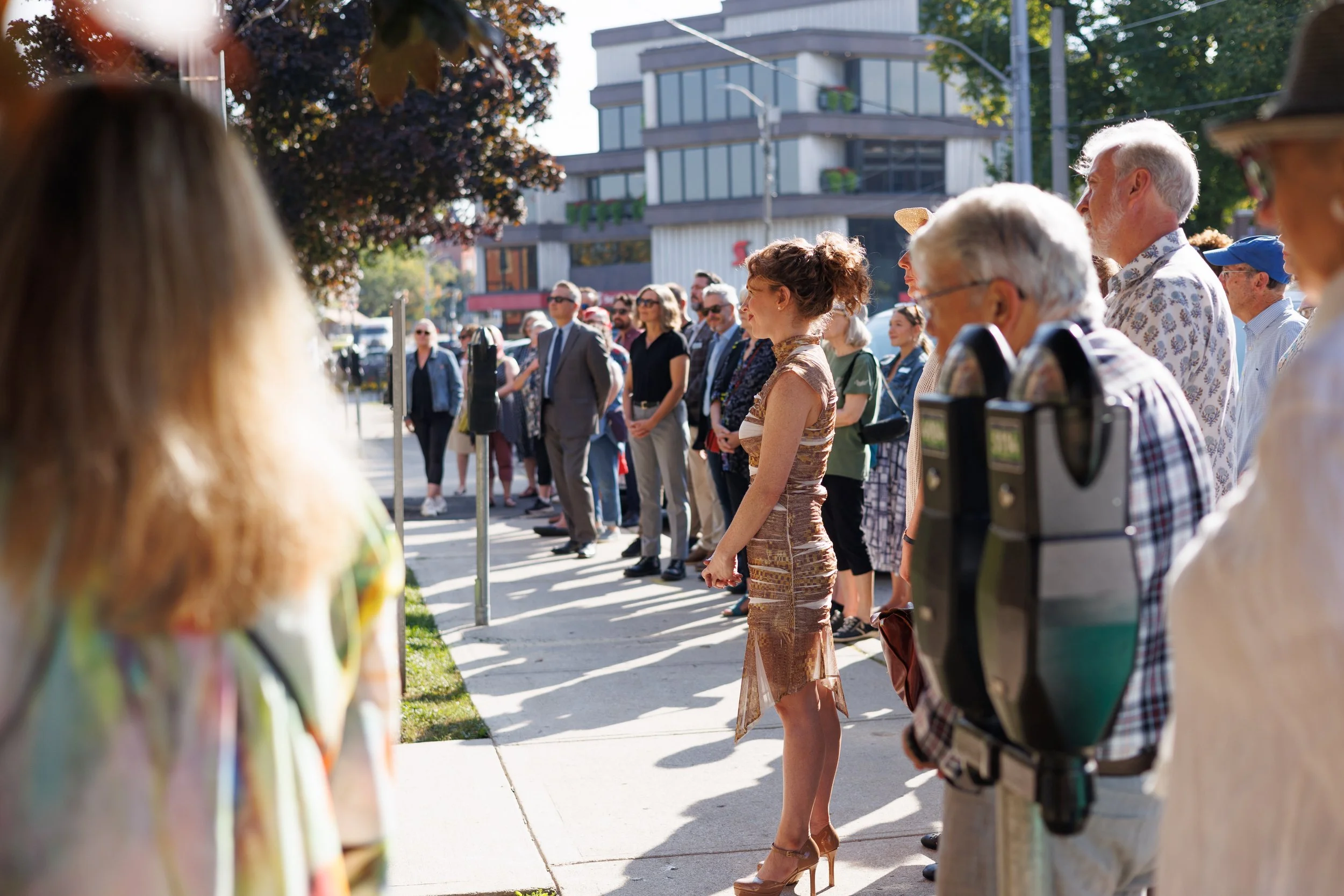
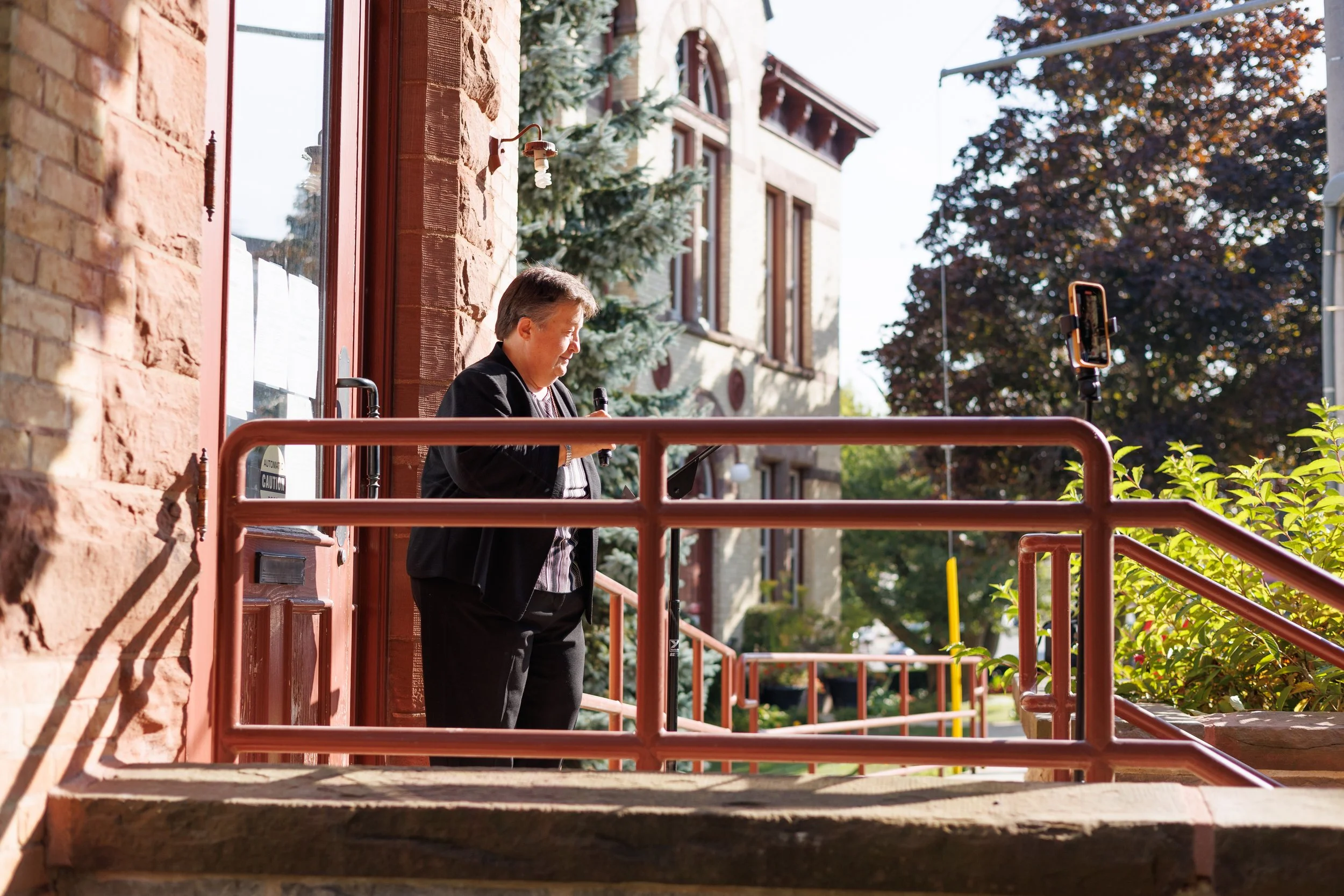
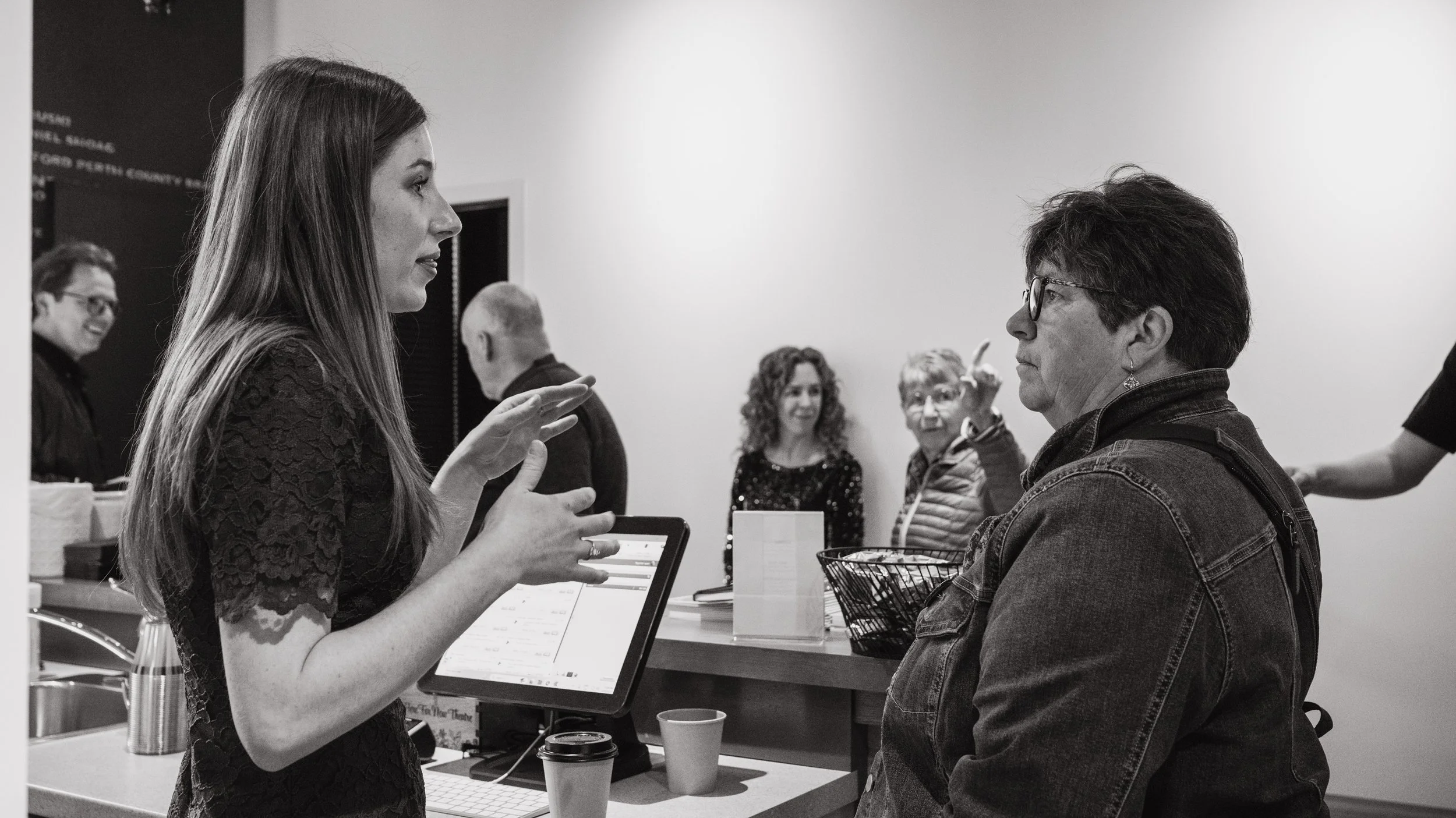
On May 24, 2025, we opened the doors of our new home to the public for the first time.
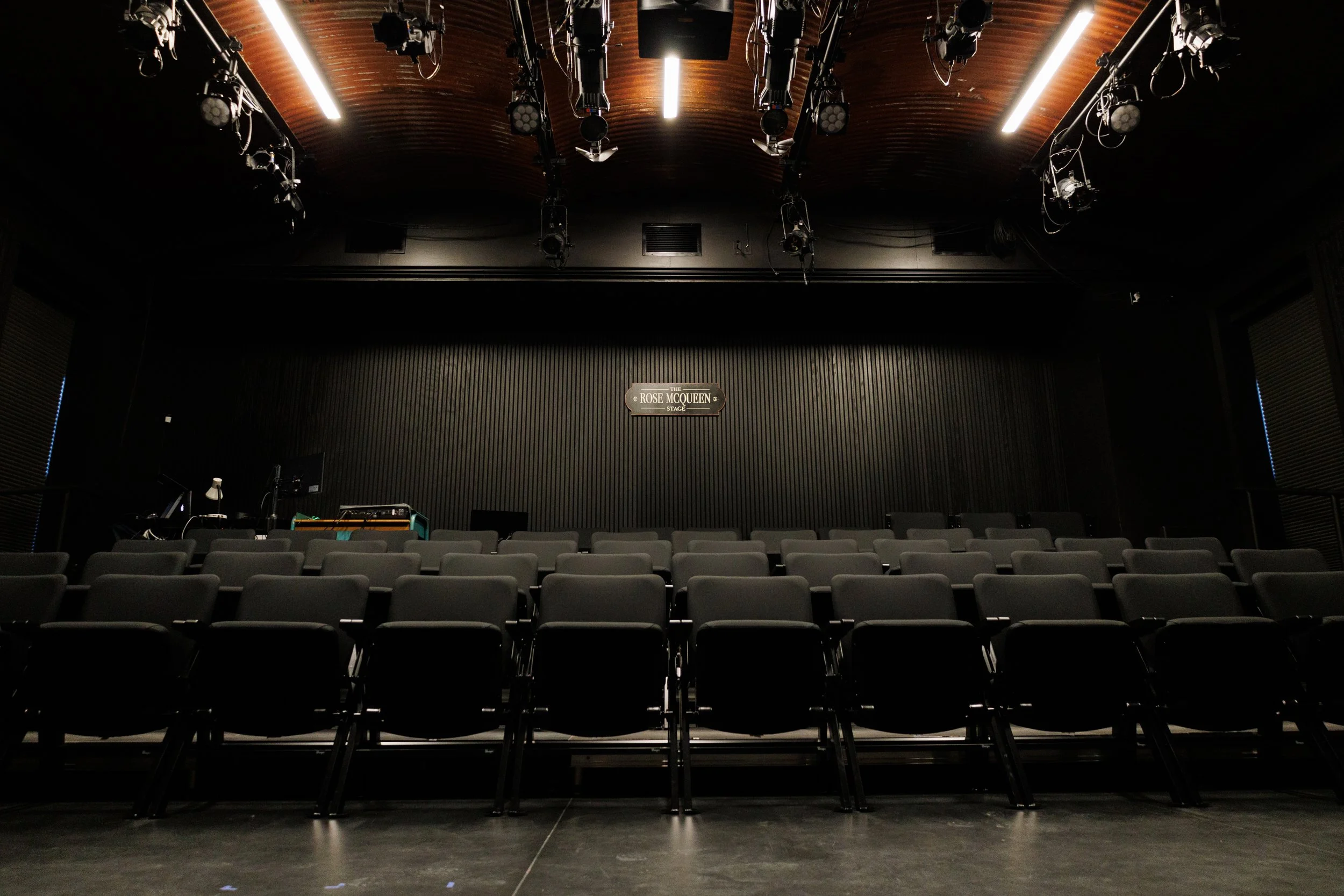
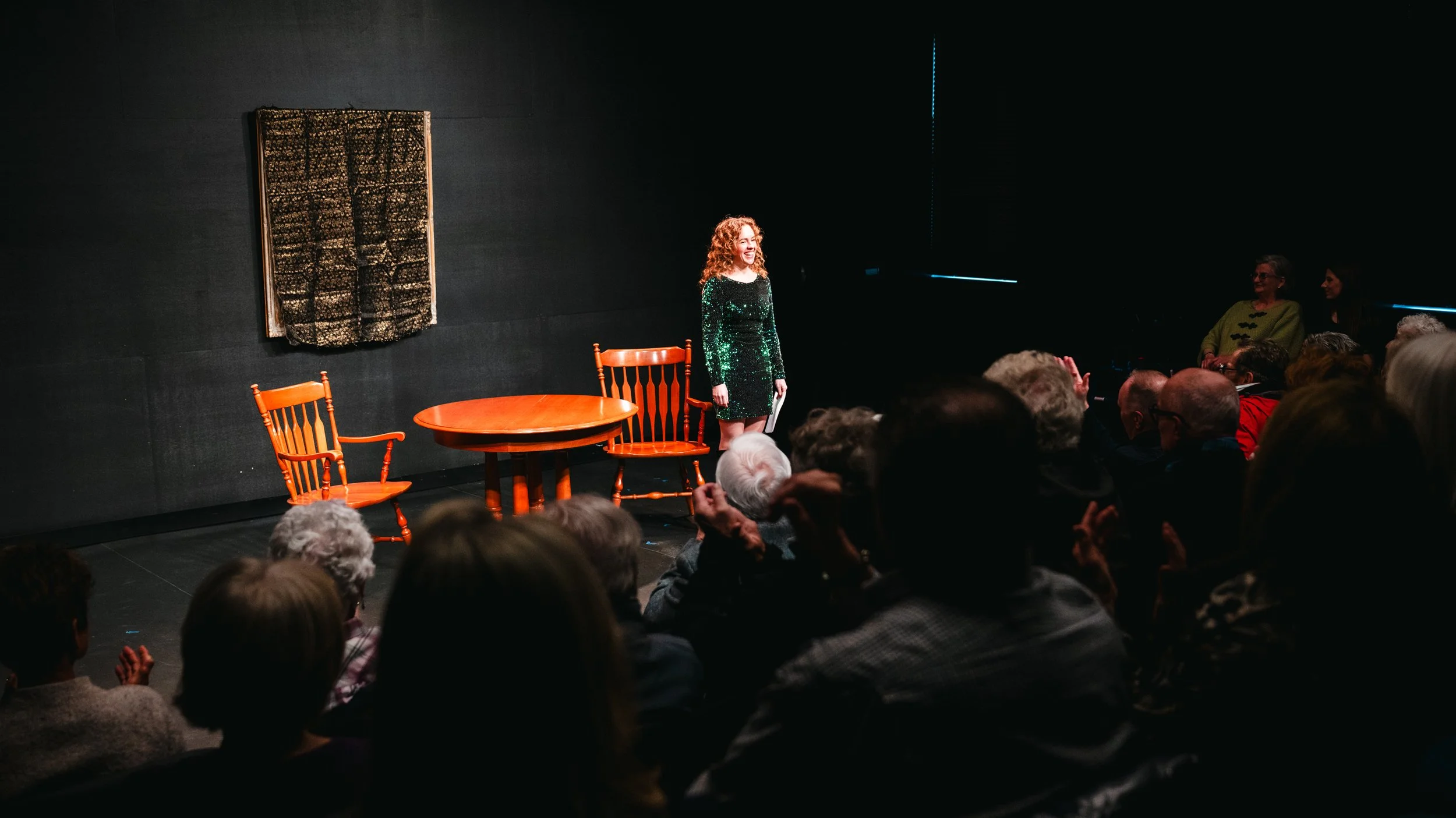
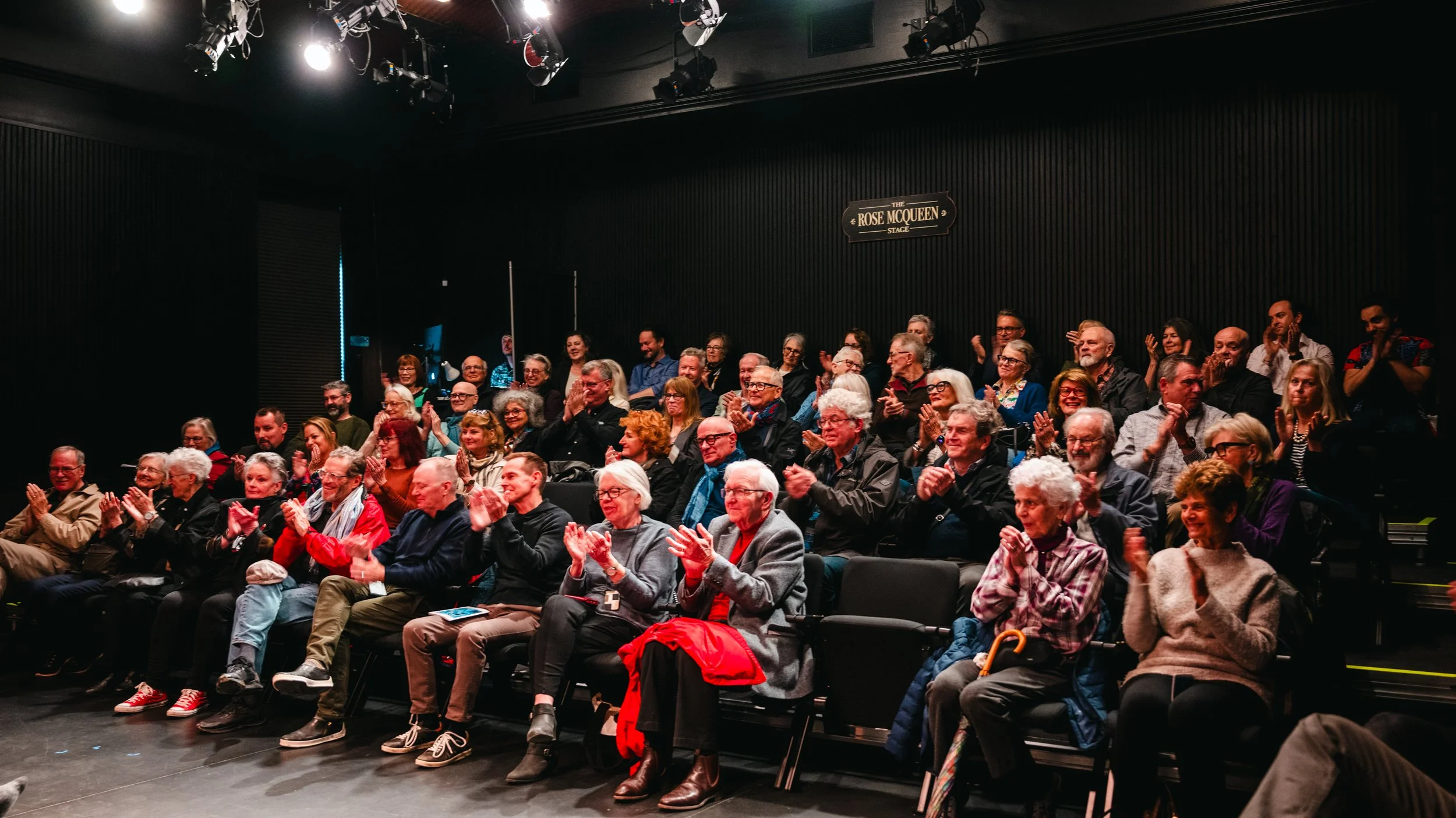
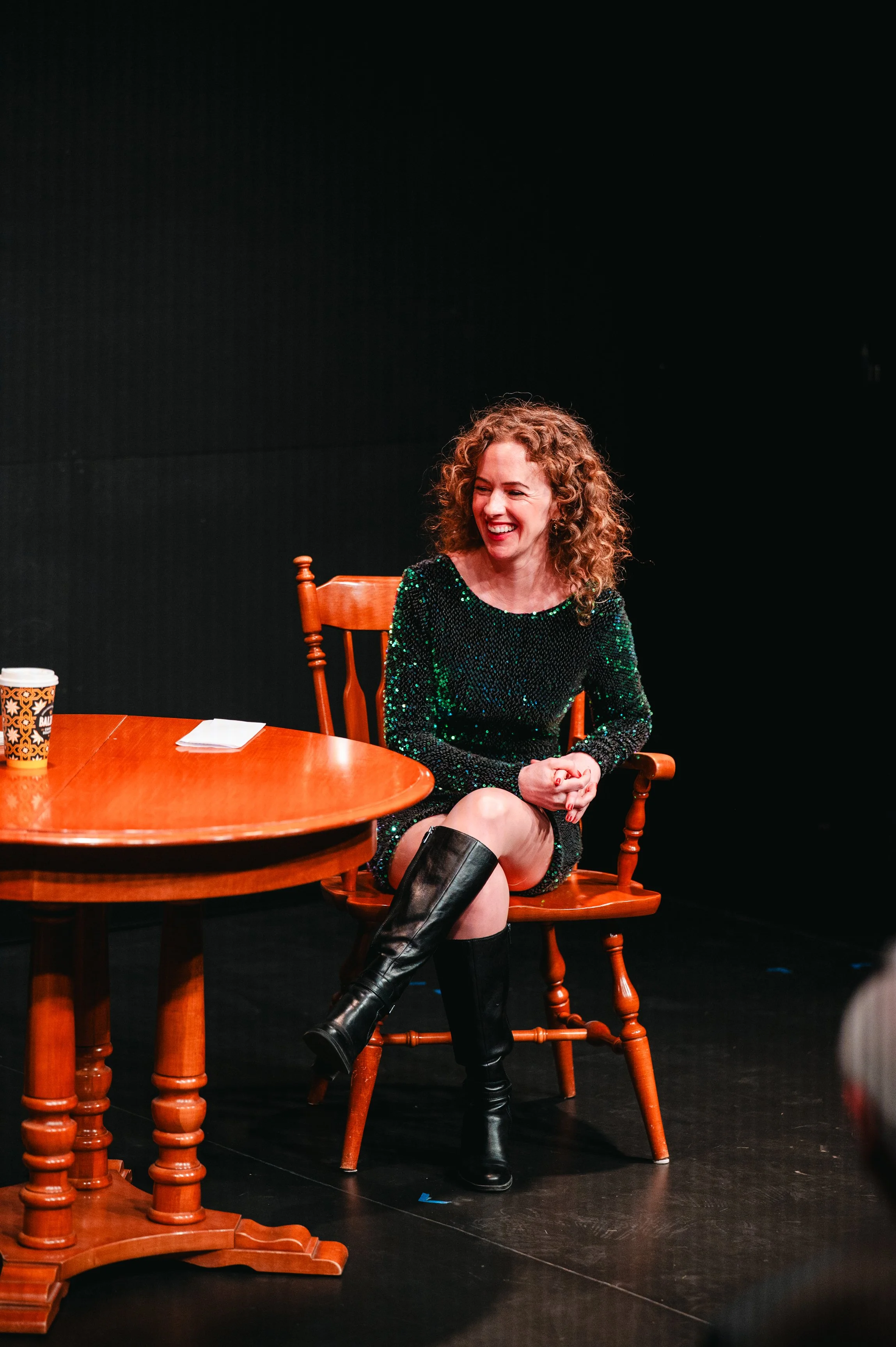
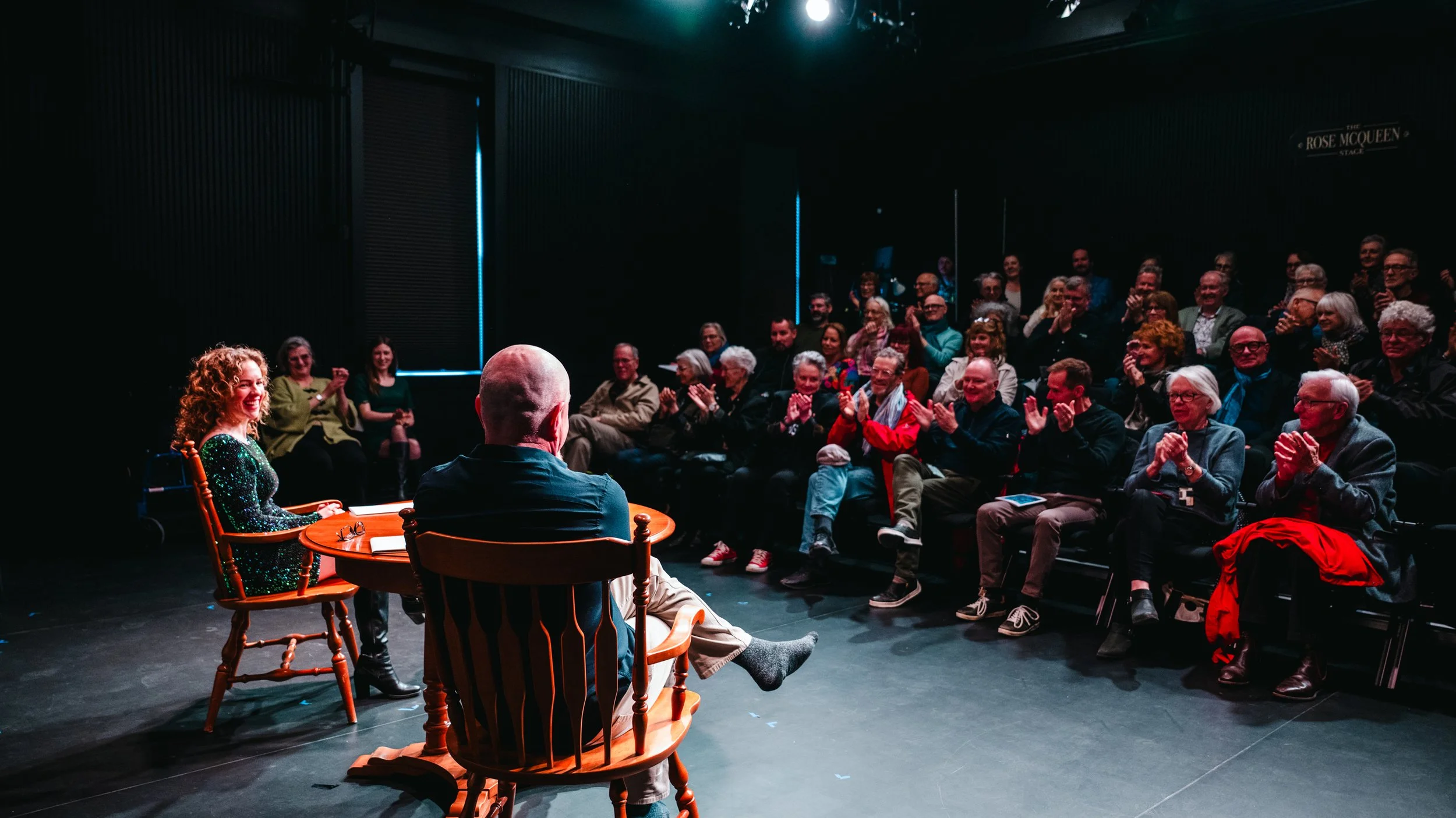
What was once a Registry Office is now a 60-seat theatre filled with artists, audiences, stories and a whole lot of theatre.
We think that's a pretty great second act.





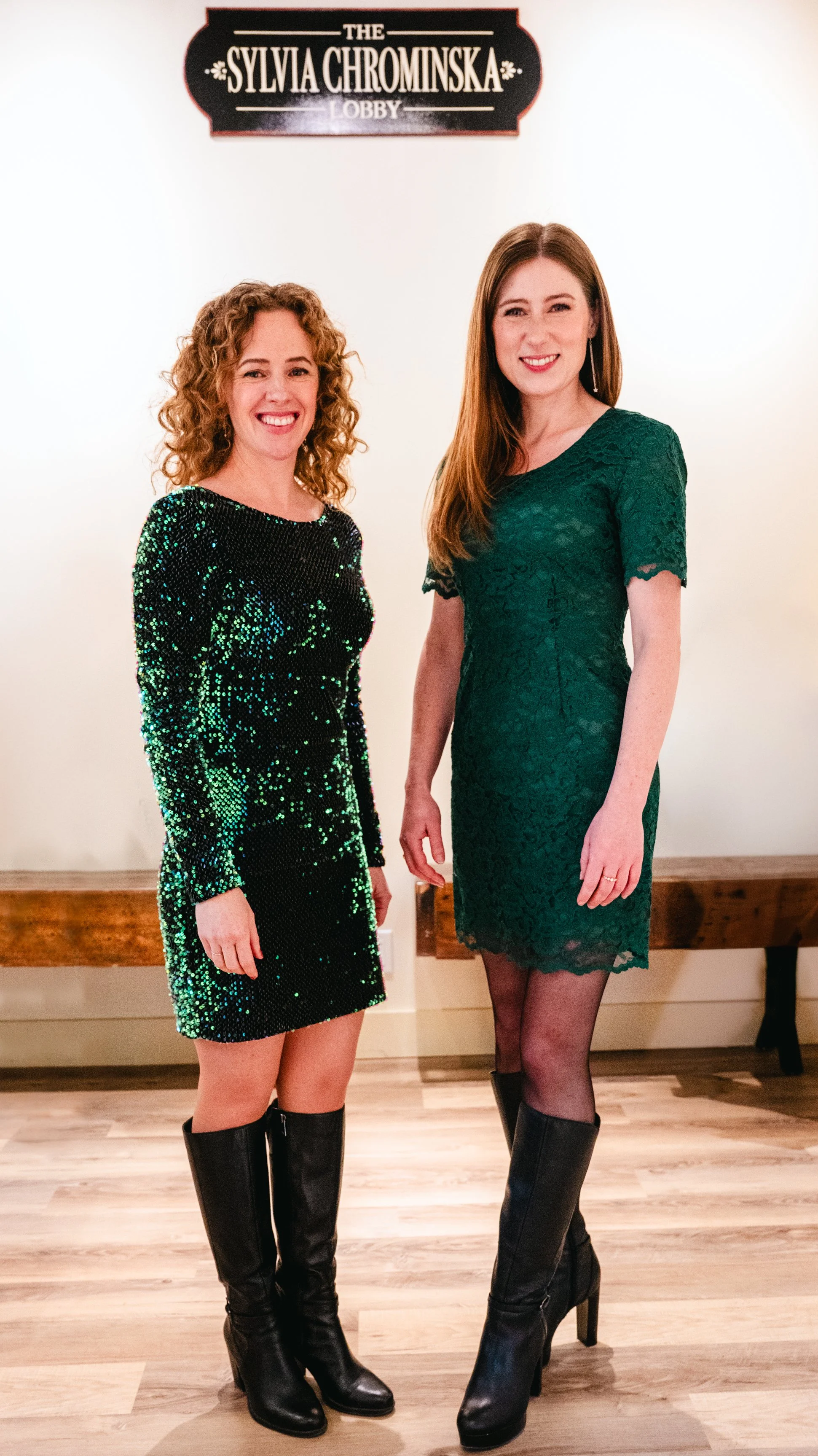
Introducing The Rose McQueen Performance Space
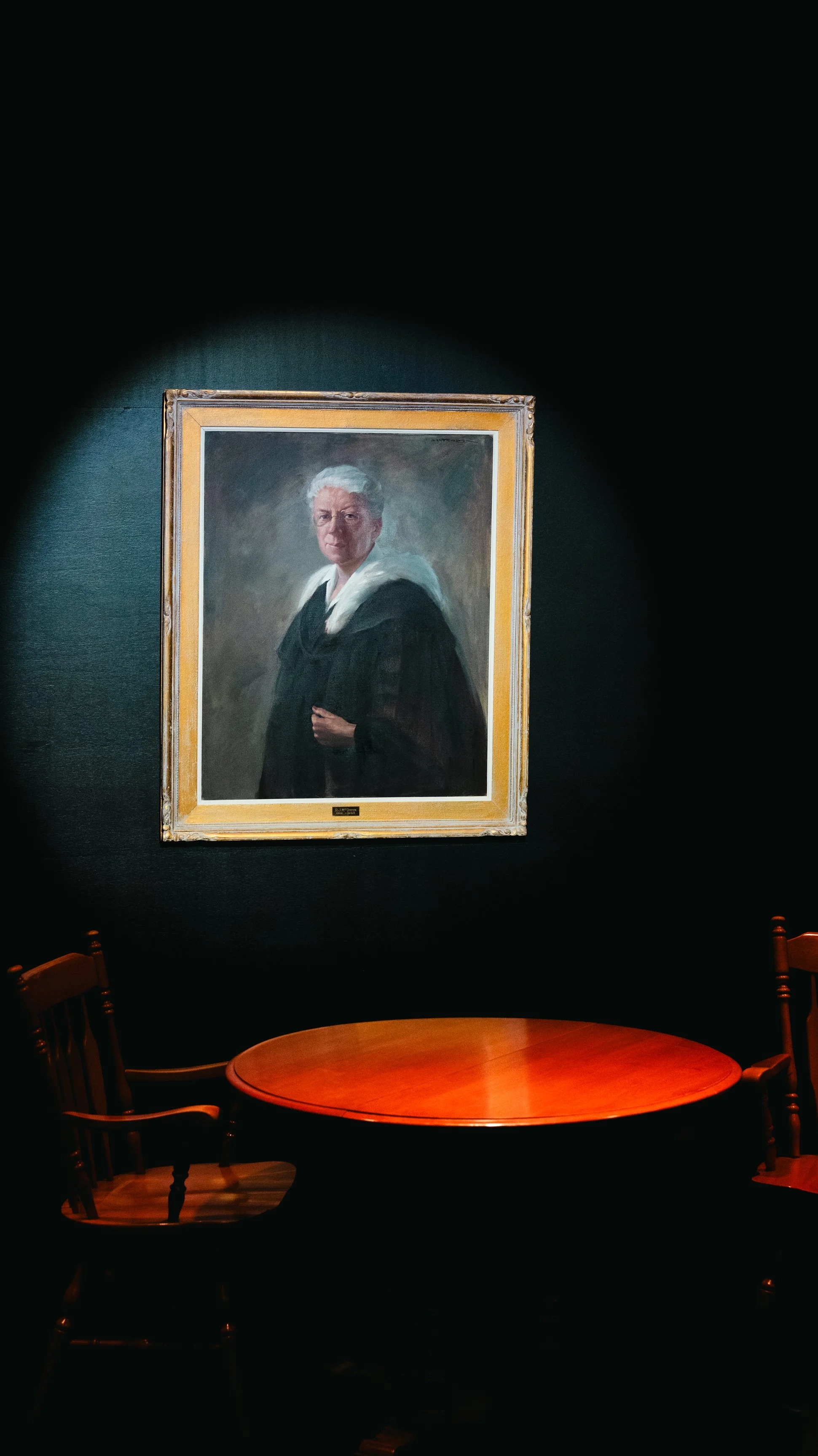
With the generous financial assistance of Laura Dinner and Richard Rooney, we are proud to name the performance space in our theatre after a long-unsung heroine of Stratford’s cultural and theatrical scene: Miss Rose McQueen.
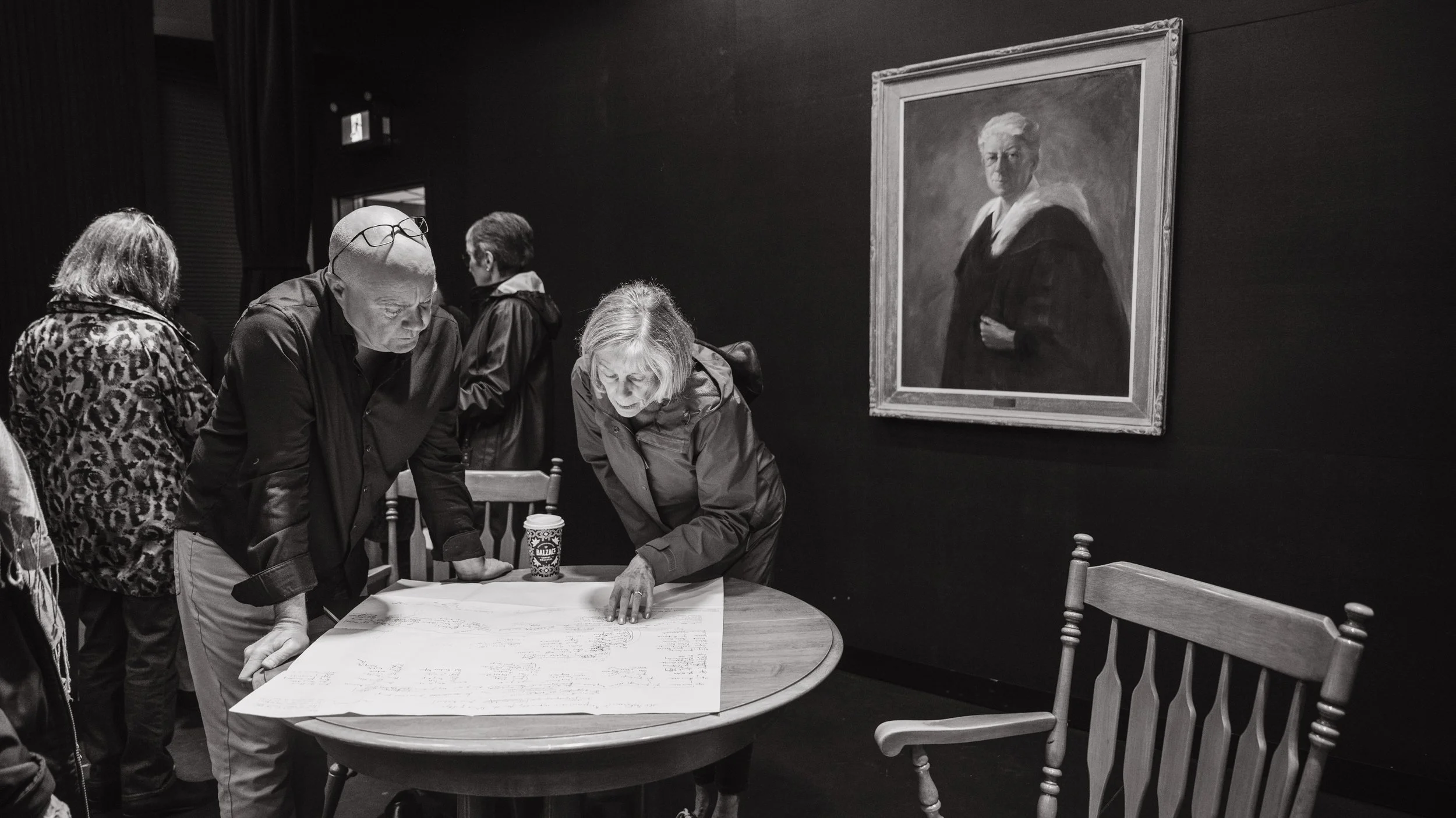
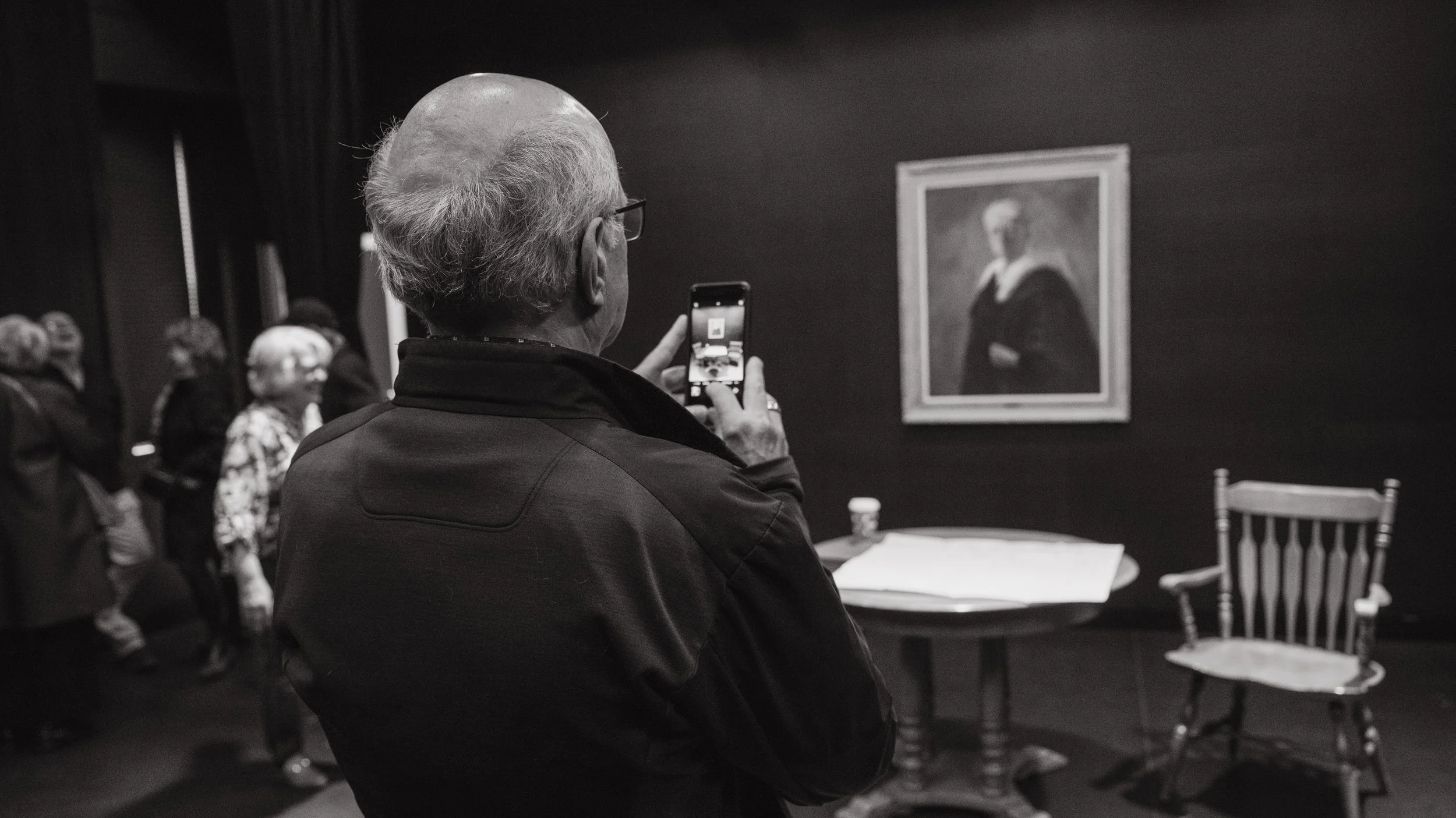
When we opened our new theatre in 2025, we named our performance space after Rose McQueen, a woman whose influence on Stratford’s cultural and theatrical life deserves to be remembered.


Her influence was felt throughout the community. Under her guidance, Stratford Collegiate became known for its annual Shakespeare productions, while Rose also worked closely with the Normal School’s Shakespeare Society and the Stratford Little Theatre. The latter produced as many as three shows a year at the Stratford City Hall Auditorium, helping establish a culture of theatre in Stratford long before the Festival arrived.
Rose’s students went on to become playwrights, Rhodes Scholars and leaders throughout Stratford’s civic and community life. Among them was Tom Patterson, who would eventually found the Stratford Festival.
Who was Rose McQueen?
Rose arrived in Stratford in 1912 to take charge of the English Literature department at Stratford Collegiate, later Stratford Central High School. But she was much more than a teacher. Rose had a remarkable ability to inspire her students to become the best versions of themselves, grounded in a belief in excellence, community service and, above all, a deep love of Shakespeare and theatre.
Rose and the Stratford Festival


Stratford Festival Original Tent
Tom Patterson himself always credited Rose with inspiring the idea of a Shakespearean theatre festival in Stratford.
The idea actually began with an exercise Rose gave the students in her After Four Club, an extracurricular group designed to encourage creative problem solving and civic participation. Rose challenged her students to imagine ways to reinvigorate Stratford’s economy. Patterson’s response was the idea of a theatre festival, born in large part from the passion for Shakespeare that Rose had instilled in him and his fellow students.
Years later, when Patterson began working to turn that idea into reality, he found support from City Council and the Chamber of Commerce, many of whose members had also been Rose’s former students. And Rose herself became a tireless champion of the project, serving on the Stratford Festival’s first Board of Directors.
Rose’s contribution to the Festival’s origins has not always received the same attention as Patterson’s. We think there is value in remembering the fuller story: the Festival may have had a founder, but it also grew from a community, from generations of students, and from the teachers and mentors who helped shape their ideas.
Rose was one of those people.
An unsung heroine no longer

Despite her enormous influence on the City and its cultural and civic life, Rose has never been publicly honoured in a way that truly captures her spirit.
When our donors Laura Dinner and Richard Rooney stepped forward to support the naming rights to our performance space, they asked us to suggest an appropriate name other than their own.
It didn’t take us long to settle on The Rose McQueen Stage. While we ourselves do not perform the classics Rose so loved, our mandate has always included returning the stories of lost, forgotten or otherwise marginalized women to their rightful place on Canada’s stages.
Additionally, we have always believed - as did Rose - that theatre is a window into a culture’s soul. And there is no better tool for building empathy, igniting passion, and bringing a community together.
We can think of no other name we could bear half as proudly as that of this truly remarkable woman.
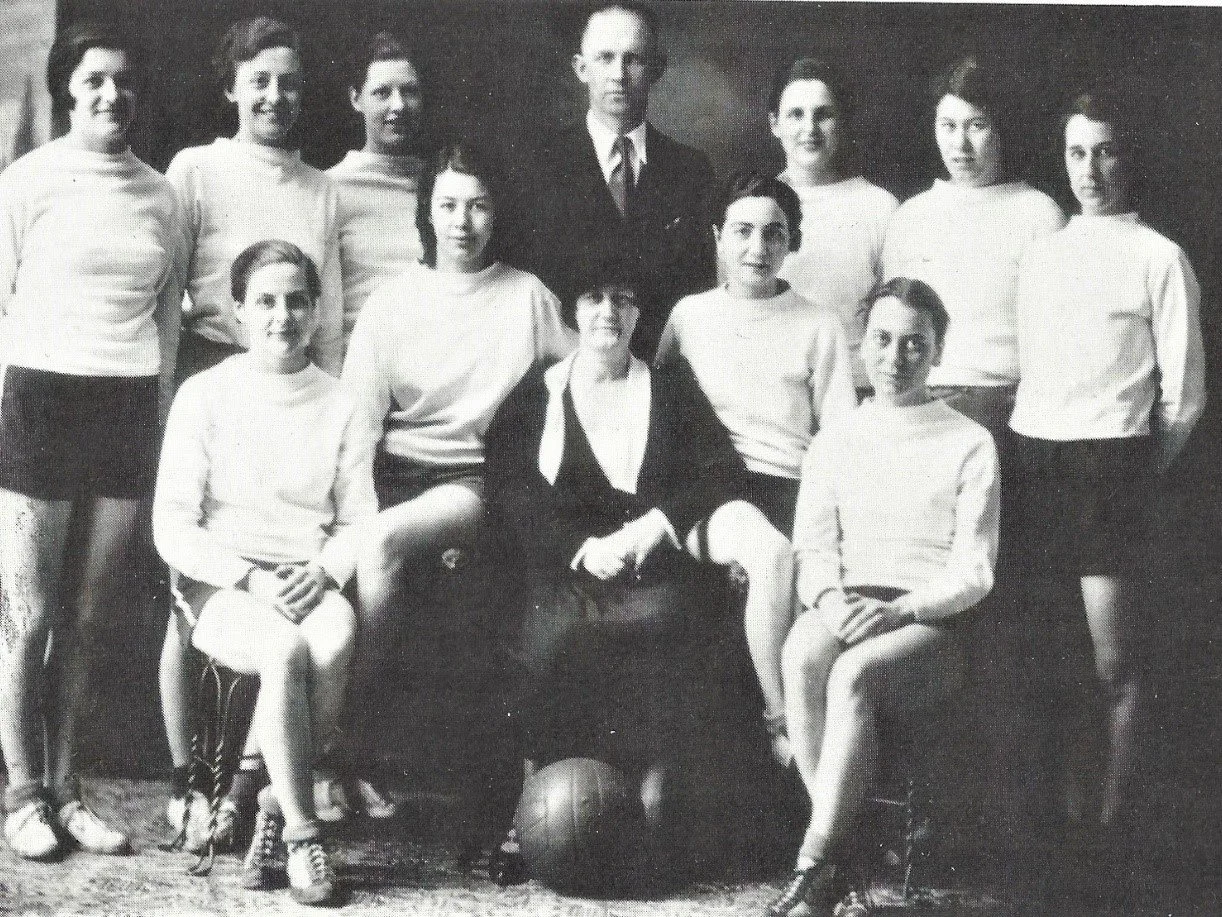
-
![]()
YWCA
centre
-
![]()
Rose and her siblings
-
![]()
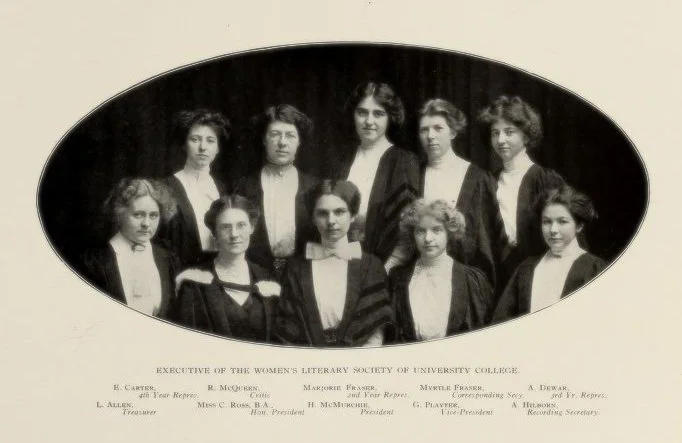
Executive of the Women's Literary Society
second from the top left
-
![]()
Women's Discussion Club
bottom row forth from the right


With profound thanks to the McQueen Family, and to Laura Dinner and Richard Rooney for their generous gift and visionary leadership.
Sources: Watson, Andrew. Rose McQueen. No date. | Stabler, Ernest, Rose McQueen and Stratford. Ontario: E. Stabler, 1985. | https://fibergenea.wordpress.com/genealogy/biographies-3/rose-mcqueen-biography/